Blog

  • Cultivating Online Brand Presence: The Steps to Successful Website Growth Strategies

    Cultivating Online Brand Presence: The Steps to Successful Website Growth Strategies

    In the world we live in today, having a powerful online presence is super important for businesses. This article will guide you through the steps you need to follow to make sure your website grows and succeeds. These steps will be explained with a focus on real-world challenges like limited resources and the ever-changing digital landscape. By the end of this guide, you’ll have a clear idea of how to excel in online marketing with a newfound understanding of website growth strategies.

    Step 1: Setting Clear Objectives

    Building a strong online presence starts with having clear goals. These goals should match your company’s bigger plans and be tailored to the people you want to reach. Your main goals should include making your company more visible online, getting more potential customers, improving how people use your website, creating great content, and using data to make smart decisions.

    Tackling Pain Points: Resource Constraints

    One common challenge is not having enough resources. This will be a common problem you might run into if you are working with a small team or don’t have much money to spend on marketing. To deal with this, you need to pick the most important goals and use your resources wisely to achieve them.

    Step 2: Website Optimization for Enhanced Visibility

    To be more visible online, you have to make your website better. This means making it show up higher on search engines, getting more people to visit it from search results, and being active on social media.

    Tackling Pain Points: Technical Expertise

    As someone in marketing, you may not know everything on the technical side. That’s why you should work with a website expert who can make your site fast, efficient, good for search engines, and easy to use.

    Step 3: Lead Generation Strategies

    To get more customers, you need to find new ways to get their contact information, like their email. This means you have to use forms and other tricks to get their info.\

    Tackling Pain Points: Adapting to Algorithm Changes

    The way search engines and social media work can change a lot. You have to keep up with the changes and adjust your tricks to stay successful in getting leads.

    Step 4: Enhancing Website Engagement

    To keep people on your site, you need to make it interesting. This means they should want to stay and come back for more.

    Tackling Pain Points: Content Production

    Creating good content can be hard and takes a lot of time. To deal with this, make a plan for the kind of content you need, like blogs, videos, and pictures. Then, use this plan to make sure you’re making the right stuff.

    Step 5: Data-Driven Decision Making

    To make sure your plans work, you need to use data. This means you look at the numbers to see what’s going well and what’s not.

    Tackling Pain Points: Content Production

    Using data can also help you deal with making content. Look at what people like and what they don’t like, and make changes to your content based on that.

    Step 6: Hiring a Strategic Website Manager

    To help with all of this, it’s a good idea to get someone good at working on websites. They can help you a lot.

    Where to Find a Website Manager

    • Talk to People You Know: Ask your friends and people you know if they can recommend someone.
    • Use Job Websites: Look for people on websites where you can find job openings. You want to find someone who’s done this kind of work before.
    • Get Help from Job Agencies: You can also get help from companies that help you find the right person for the job. They know a lot about this kind of work and can make the hiring process easier.

    Picking the Right Person

    When you’re looking for a website expert, you need to be sure they’re the right person for the job. This means checking their skills, experience, and how well they work with a small team and limited resources.

    Requesting References and a Portfolio

    Get in touch with people who’ve worked with them before and look at the work they’ve done. This will show you if they’re good at helping websites grow.

    Developing Comprehensive Content Website Growth Strategies

    A good content plan should include:

    • Keyword Research: Identifying the keywords and phrases that your target audience is searching for. You need to know what words people use to look for your products or services. These are the keywords you should use in your content.
    • Making a Schedule: Decide when you’ll put out your content. A regular schedule helps people know when to expect new stuff.
    • Different Content Types: Don’t just stick to one type of content. Use blogs, videos, pictures, and more. People like different things.
    • Speaking to Different People: Not everyone is the same. Make sure your content talks to the different groups of people you want to reach.
    • Quality Assurance: Check your content to make sure it’s interesting, clear, and useful.
    • Performance Metrics: Defining key performance indicators to measure the success of your content. This might include metrics like page views, time on page, conversion rates, and more.

    Step 7: Use SEO to Get Seen

    SEO stands for Search Engine Optimization, and it’s about making your website show up better in search engines. This is a big part of building a strong online presence.

    What Is SEO?

    SEO involves:

    • Keyword Research: Keyword research helps you identify the words and phrases that your audience uses to search for your products or services. It’s the foundation of your content strategy.
    • On-Page Optimization: This includes optimizing your content for your target keywords. This involves ensuring that your keyword appears in the content naturally, in headers, and meta tags. It also involves making sure your website’s technical elements are optimized for search engines.
    • Off-Page Optimization: This involves building high-quality backlinks to your website from reputable sources. Backlinks are like endorsements from other websites, indicating to search engines that your content is valuable and credible.
    • Content Quality: High-quality, informative, and engaging content is a cornerstone of SEO. It keeps visitors on your site longer and encourages other websites to link to your content.
    • Mobile Friendliness: As more people use smartphones and tablets to browse the web, a mobile-friendly website is crucial for SEO. Google and other search engines prioritize mobile-friendly websites in their rankings.
    • Site Speed: A fast-loading website is not only crucial for SEO but also for user experience. Slow websites tend to have higher bounce rates and lower search engine rankings.
    • User Experience: A well-designed, user-friendly website keeps visitors engaged and encourages them to explore more pages. Search engines consider user experience when ranking websites.

    SEO involves a lot of skilled technical work. That’s why a website expert is important. They can help make sure your site is SEO-friendly.

    Step 8: Use Content Marketing

    Content marketing is all about sharing your content with people. It helps you reach a wider audience, keep your current audience engaged, and encourage people to take action like signing up for a newsletter.

    Ways to Share Your Content

    You can share your content through:

    • Social Media: Share your content on platforms like Facebook, Instagram, and Twitter. Each platform has its own rules, so make sure your content fits the platform.
    • Email Marketing: Build an email list and send your content directly to people’s inboxes. This is a great way to build relationships and encourage people to do things like buying your products.
    • Influencer Marketing: Partner with influencers in your field to get access to their audiences and gain credibility.
    • Guest Blogging: Write articles for other well-known websites in your field. This helps you reach a bigger audience and get links to your site.
    • Content Syndication: Share your content on platforms like Medium, LinkedIn, or websites that are popular in your industry. This helps you reach new audiences.

    Tackling Website Growth Strategies Pain Points: Adapting to Algorithm Changes

    Content marketing is always changing. The way search engines and social media work can change a lot. You need to stay up to date with these changes and adjust your strategies to stay successful.

    Step 9: Measure and Analyze Data

    To make sure your plans work, you need to use data. Data means numbers that tell you what’s going well and what’s not.

    Tackling Pain Points: Adapting to Algorithm Changes

    Adapting to changes in the digital world means looking at data. It helps you understand what’s going well and what’s not, and it guides you in making the right choices.

    Website Growth Strategies Key Data to Look At

    When analyzing data, keep an eye on:

    • How Many People Visit Your Website: Website traffic tells you how many people are coming to your site and where they come from.
    • Bounce Rate: A high bounce rate means people leave your site quickly. This might mean they can’t find what they want.
    • Conversion Rate: Look at how often people do what you want them to do on your site, like signing up for a newsletter or buying something.
    • Time on Page: This shows how long people stay on your site. Longer times mean your content is keeping people’s attention.
    • Click-Through Rate (CTR): In email marketing and paid advertising, this shows how often people click on your content.
    • Social Media Engagement: Keep an eye on likes, shares, comments, and other engagement on your social media posts.
    • Backlinks: Count how many other websites link to your content. This shows your content is good.
    • Conversion Funnel Analysis: Understand where people drop out of your conversion funnel. Make changes to stop people from leaving before they take action.

    Tackling Website Growth Strategies Pain Points: Resource Constraints

    Dealing with limited resources can also affect your data analysis. You might not have a lot of money for fancy tools. But, there are free and affordable tools that can help you understand your data better.

    Step 10: Adapting and Evolving

    The digital world is always changing, and you have to change with it. What works today might not work tomorrow. Adapting and evolving your online presence is vital to remain competitive and effective in your marketing efforts.

    Tackling Website Growth Strategies Pain Points Holistically

    Adapting to changes in the digital landscape requires a holistic approach. It involves staying informed about industry trends, monitoring algorithm changes, and learning from data analysis. Collaborating with a skilled website manager can provide you with the technical expertise needed to stay ahead of digital marketing challenges.

    Conclusion: Successful Website Growth Strategies

    Building a successful online presence is an ongoing process. The journey of cultivating your online presence can involve overcoming limited resources, adapting to changes in digital trends, creating high-quality content, and using data to make informed decisions for my company’s online success.

    Hiring a skilled website manager is a significant boost to achieving your goals and handling the common challenges that arise in the digital marketing landscape. By following these steps and finding the right team member, you can strategically grow your website and establish a thriving online presence in today’s competitive digital world.

    As you embark on your journey to build a successful online presence, remember that it requires patience and adaptability. The digital world is constantly changing but with the right strategies and the right team in place, your business can thrive online.


  • How Professional Website Management Impacts Your Online Presence of a Family-Owned Business

    How Professional Website Management Impacts Your Online Presence of a Family-Owned Business

    In today’s fast-changing digital world, family-owned businesses face an important choice: they must honor their traditions while also keeping up with the rapidly changing demands of the modern market. One big challenge in this journey is making sure people can find their website online. It’s as important as ever to fine the right professional website management.

    In this article, we’ll take a closer look at what marketing managers in these businesses aim for, the problems they encounter, and how they decide to hire the right person to help them with their website. We’ll also see how getting the right person to manage their website can make a big difference in their success.

    Why Being Visible Online Is So Important

    In a world where the internet can determine if a business is successful or not, having an online presence isn’t just a bonus – it’s a must. Think of it as a digital shopfront, the first thing people see when they look for your business online. It is also a powerful tool for making people recognize your brand. For family-owned businesses, entering the digital world is a crucial step for growing and staying a strong competitor.

    What You’ll Need to Do to Get Noticed

    Marketing managers in family-owned businesses have some big goals that guide what they do:

    Get Noticed Online

    You will want more people to know about your business. Your job is to attract new customers while keeping the ones you have already worked so hard to get.

    Sell More and Make More Money

    Aim to increase your online sales. This means using digital marketing tricks to attract more customers who will value your company’s products and traditions.

    Build a Strong Brand

    Creating a solid online identity is a top priority. You will want your business to be known for what it stands for. You should aim for people to recognize and trust your brand online.

    Share the Workload

    This might all sound very overwhelming to you, but it doesn’t have to be that way. It is smart to consider hiring an expert in website management. This person can take care of digital marketing, handle social media, and make sure the website works well. This way, you will be able to focus on what you’re best at.

    Challenges and Hurdles

    Reaching these goals isn’t always easy:

    Not Knowing the Digital Stuff

    Traditional marketing may be something you are good at when it comes to your business, but you might not know much about digital marketing and website management. Learning these new skills can be tough.

    Limited Money

    You might work with a budget. Hiring a website manager costs money, and they need to make sure it’s worth the investment.

    Facing Big Competition

    Other businesses are also trying to get attention online. This can make it hard for family-owned businesses to stand out.

    Holding onto Traditions

    Family-owned businesses have deep traditions and a strong commitment to quality. They’ll need a website manager who understands and respects these values while bringing them into the digital world.

    What They Look for When Hiring Professional Website Management

    To pick the right person for the job, marketing managers have specific criteria in mind:

    Digital Marketing Skills

    They want a website manager who knows a lot about digital marketing. This means they need to be experts in things like SEO, content marketing, email marketing, and social media advertising.

    Web Development Skills

    The chosen person should also know about web development or work well with a web development team. This is important to make sure the website looks great and is easy to use.

    Creativity and Innovation

    Being creative and thinking outside the box is a big plus. They want a website manager who can come up with new and exciting ideas that set their business apart from the competition.

    Cost-Effective Solutions

    The website manager needs to be good at what they do without overspending. They have to show that the money spent on them is a smart investment.

    Understanding of Brand Values

    The person they hire should get what the family-owned business stands for. It’s not just about selling products but also showing the business’s values and commitment to quality.

    Proven Success

    They want someone with a track record of making businesses more visible online and increasing their income. This shows they know what they’re doing.

    Good at Communicating

    The website manager must be able to explain their plans and results in a way that everyone can understand. This is how they make sure everyone is on the same page.

    How Professional Website Management Makes a Difference

    Now, let’s see why hiring the right website manager can change everything for a family-owned business:

    Getting Noticed Online

    A skilled website manager knows the ins and outs of digital marketing. This helps the business become more visible online. They use strategies like SEO, content marketing, and social media advertising to make sure the business shows up in search results and social media. It’s like turning on a bright spotlight on the business, making it more noticeable to everyone.

    Selling More and Earning More

    Smart digital marketing and website management can lead to an increase in online sales. The website manager plans campaigns that attract a wider audience who appreciate the quality and traditions of the business. This means more money flowing in and a more successful business.

    Building a Strong Brand

    Professional website management ensures that the business’s online brand identity is strong and clear. The website manager makes sure the design, content, and user experience of the website match the business’s core values. This helps the brand stick in the minds of customers. It’s like making a mark that’s hard to forget.

    Sharing the Workload

    By having a professional website manager, the marketing manager can focus on what they do best. They can trust the expert to handle digital marketing and website optimization. This makes their work more efficient and leads to better results.

    Using Money Wisely

    A skilled website manager isn’t just about spending money; they are good at managing it too. They make sure the strategies they use are both effective and budget-friendly. The website manager makes sure the money invested in them brings in more money in return.

    Preserving Traditions

    In a family-owned business, tradition is vital. The website manager needs to understand and respect these traditions while bringing them into the digital world. This means keeping the commitment to quality and craftsmanship strong, even online.

    Proven Success

    A website manager with a proven track record is someone you can trust. Their past successes show that they know how to navigate the digital world. They bring assurance to the marketing manager and the family, showing they are in good hands.

    Clear Communication

    Good communication is key. The website manager needs to explain their strategies and results clearly. This makes sure everyone understands the impact of their work and can support the business’s goals.

    The Journey to Success: Tradition and Innovation

    In today’s digital age, having a strong online presence is not just a bonus for family-owned businesses – it’s a necessity. It’s about keeping traditions alive while embracing new ways of doing things. The marketing manager in our story represents many professionals in similar situations, all with specific goals and challenges.

    By using the right criteria to choose a professional website manager, these businesses can see a big change in their online presence. With a well-optimized website and a digital marketing plan that’s tailored to them, they can reach more people, sell more, and stay true to their unique brand. The road isn’t easy, but with a commitment to their traditions and a smart approach to digital marketing, family-owned businesses can thrive in the digital world, making sure their legacy continues to shine.

    Conclusion: Professional Website Management

    Professional website management services isn’t just a tool – it’s a doorway to a brighter future for these special businesses. It’s a way to honor the past and embrace the future, all while staying connected with the modern world. The impact is huge, breathing new life into old traditions while pushing them forward into the digital era with strength and energy. It’s a journey that empowers family-owned businesses, letting them enjoy the best of both worlds. It’s a story of tradition and entrepreneurship facing the digital future with confidence and success.

  • Family Business Digital Presence: Leverage Strategy for an Impactful Web Design

    Family Business Digital Presence: Leverage Strategy for an Impactful Web Design

    In today’s dynamic digital age, where the internet serves as the gateway to global commerce, your family business digital presence has never been more pivotal. Your website isn’t merely a digital representation; it’s the first impression your potential customers have of your business. 

    As family businesses adapt to this ever-evolving digital landscape, one vital component stands out as a catalyst for success: strategic web design.

    Setting the Stage Online

    Understanding the Goals

    For a company looking to thrive in the digital landscape, the primary focus is often clear – to rejuvenate its online presence. An outdated website can hinder more than it helps. Several key goals come into play:

    1. Website Redesign

    The first and most immediate goal is to redesign the website. It should be user-friendly, visually appealing, and aligned with the brand identity. A website should serve as more than just a digital business card; it should engage visitors.

    2. Increasing Online Presence

    A strong online presence is vital for reaching a wider audience. Leveraging digital marketing and advertising strategies helps in making the brand more visible and accessible.

    3. Lead Generation

    Ultimately, a successful web design should lead to more leads, which we can then convert into sales. Generating leads is the lifeblood of our business, and the website should serve as a powerful lead-generation tool.

    4. Competitive Advantage

    Highlighting unique selling points and strengths is paramount. Through the website and digital marketing efforts, positioning the brand as an industry leader is a key objective.

    5. Data-Driven Approach

    Lastly, the aim of implementing a data-driven approach involves using analytics to measure the success of campaigns and make informed decisions for future strategies.

    Family Business Digital Presence: The Pain Points

    Navigating Challenges

    In the journey to achieve these goals, several challenges often arise:

    1. Lack of Web Design Expertise

    While most marketing leaders possess skills in digital marketing and strategy, technical expertise in web design can be lacking. Crafting a user-friendly, visually stunning website requires a web design expert.

    2. Resource Constraints

    Many companies, especially mid-sized family-owned businesses, have small marketing teams that lack in-house expertise for comprehensive digital marketing overhauls. External support becomes essential.

    3. Pressure to Deliver Results Quickly

    Management often expects immediate improvements in lead generation and online presence, especially as the business expands into new markets. There’s constant pressure to deliver results swiftly.

    4. Budget Constraints

    Budget limitations are common, but finding cost-effective solutions is a necessity to maximize the impact of the marketing budget of your company.

    5. Understanding the Industry

    Lastly, understanding the intricacies of the specific industry you’re in, whether it be manufacturing, finance, B2B service, or another is a unique challenge. Marketing strategies need to be tailored to your specific audience and industry nuances.

    Finding the Online Solution

    Decision Criteria for Hiring a Strategic Web Designer

    To overcome these challenges effectively, setting specific criteria for hiring a strategic web designer for your family business digital presence is essential:

    1. Expertise

    The chosen web designer must demonstrate a strong portfolio that showcases their expertise in creating user-friendly, responsive websites with a focus on lead generation.

    2. Industry Experience

    Experience in working with your industry, or similar industries, is a significant advantage. Understanding the unique needs and motivations of the target audience and the competitive landscape is key.

    3. Collaboration Skills

    Collaboration is essential, whether it’s virtual or in-person. The designer should work seamlessly with your marketing team to ensure the website’s design aligns with overall marketing goals and messaging.

    4. Innovative and Creative

    Fresh and innovative ideas are invaluable. The web designer should be able to bring creativity to the table to help the brand stand out.

    5. Cost-Effective Solutions

    Given budget constraints, the designer should provide cost-effective solutions without compromising on quality.

    6. Timeliness

    If you have deadlines, meeting them is critical. This often plays into the process, approach, and project management practices of the web designer. 

    The Long-Term Impact of Strategic Web Design

    Leveraging Strategy for Success

    With clear goals, identified pain points, and well-defined decision criteria in place, it’s time to understand why a strategic web design is the linchpin to achieving these objectives.

    1. Website Redesign: A Digital Facelift

    A well-executed website redesign is transformative. It’s not just about aesthetics; it’s about functionality and user experience. A modern, user-friendly website attracts and retains visitors, presenting the brand as professional and reliable.

    Optimizing the website’s visual and content structure for search engines (SEO) ensures potential clients can find the brand easily. A strategic web designer can seamlessly incorporate SEO best practices into the design.

    2. Increasing Online Presence: The Power of SEO and Content

    Online presence is about being visible to those actively searching for products or services. SEO plays a crucial role here, and it’s more than just keywords. It involves optimizing website structure, improving page load times, and ensuring mobile responsiveness – all elements a skilled web designer can address.

    Content is also vital. It is the key to a successful website and online presence. A web designer can collaborate with content creators to ensure the website offers valuable, relevant, and updated content. Fresh content attracts both visitors and search engines.

    3. Lead Generation: User-Centric Design

    The website should be a lead-generation machine. User-centric design is key. A web designer with expertise in lead generation strategies can optimize landing pages, calls-to-action, and forms effectively.

    Implementing strategies like A/B testing helps in continuously improving conversion rates. The ability to track user behavior and make data-driven design adjustments maximizes lead generation.

    4. Competitive Advantage: Showcasing Strengths

    Unique strengths need highlighting. A strategic web designer can help in presenting the best features, whether it’s cutting-edge technology, a commitment to quality, or exceptional customer service. Through visuals, storytelling, and content placement, the brand differentiates itself.

    5. Data-Driven Decisions: Analytics Integration

    A strategic web designer ensures the website is equipped with robust analytics tools. This allows measurement of campaign success, tracking user behavior, and making data-driven decisions for future strategies.

    The Collaborative Business Approach

    Working Hand-in-Hand

    Achieving these goals necessitates a collaborative approach. The marketing team and the web designer should collaborate throughout the process:

    1. Ideation and Planning

    In the initial stages, the marketing team and the web designer will collaborate closely to define the website’s goals, target audience, and messaging. This alignment ensures that the design and content strategy are in sync.

    2. Design and Development

    During the design and development phase, regular meetings and feedback sessions are crucial. The web designer should bring innovative ideas to the table while incorporating the marketing team’s insights. This collaborative effort will result in a website that not only looks great but also serves your marketing objectives.

    3. Testing and Optimization

    Post-launch, continuous testing, and optimization are vital. A/B testing different design elements, tracking user behavior, and analyzing data will help us fine-tune our website for maximum impact.

    Staying Cost-Effective in Business

    Making Every Dollar Count

    Budget constraints are real, but they shouldn’t compromise quality. 

    A strategic web designer who understands our budget limitations can prioritize tasks effectively. By focusing on high-impact design elements and functionalities, we can make the most of our resources.

    Moreover, a web designer with industry experience can recommend cost-effective solutions that align with our goals. They understand what works and what doesn’t in the manufacturing industry, saving us time and money on unnecessary features.

    Meeting Timelines

    The Need for Speed

    Timeliness is crucial, especially when there’s pressure to deliver quick results. A strategic web designer who commits to and meets deadlines can help us stay on track. This not only ensures that our website redesign stays within the set timeline but also allows the brand to start reaping the benefits sooner.

    Conclusion: Family Business Digital Presence

    In the realm of modern marketing, your website is the heart of your online presence. It’s the critical handshake between your brand and potential customers. This journey to rejuvenate your brand online hinges on strategic web design.

    Understanding your goals, empathizing with pain points, and setting clear criteria for hiring a web designer are the foundations of success. A well-executed web design transforms aesthetics into functionality, optimizes for SEO, generates leads, and empowers data-driven decisions.

    User-centric design and content excellence combine to captivate visitors and convert them into brand advocates. A strategic web designer amplifies your unique strengths, setting you apart in a competitive landscape.

    Collaboration, budget-consciousness, and timely execution are key. The urgency to deliver quick results is met by a web designer committed to deadlines, ensuring you reap the benefits faster.

    In this digital transformation journey, strategic web design isn’t a puzzle piece; it’s the cornerstone. As you embark on this path, rest assured that you have the knowledge and partners to steer your brand toward an empowered and impactful future in the digital sphere.

  • Website Plan for Impact: Creating Content that Resonates with Your Audience

    Website Plan for Impact: Creating Content that Resonates with Your Audience

    In today’s fast-paced digital world, your website is more than just a virtual storefront; it’s the digital face of your business. It’s often the very first interaction potential customers have with your company, making it a pivotal element in shaping their perception, influencing their decisions, and ultimately, determining your success. A well-crafted website possesses the remarkable power in creating content that resonates with your audience, drive conversions, and propel your business to new heights.

    However, achieving these lofty objectives requires more than just a cursory effort—it necessitates a thoughtful and strategic approach. This comprehensive guide is your compass to ensure that your website doesn’t just exist but truly resonates with your audience, leaving a mark on their digital journey.

    Step 1: Defining Your Objectives

    The journey to creating content that resonates and an impactful website begins with setting clear, well-defined objectives that serve as your guiding star. Let’s delve into the crucial goals that you should consider:

    1. Crafting an Aesthetically Pleasing Website

    Your website should be a visual masterpiece that not only captures the attention of your visitors but also stands out amidst the sea of digital competition. It should serve as a captivating visual representation of your brand, forging an immediate and profound connection with your target audience. To achieve this:

    • Visual Appeal: Embrace modern design elements and maintain unwavering consistency in color schemes, fonts, and imagery, all meticulously aligned with your brand’s visual identity.
    • User-Friendly Navigation: Ensure that visitors can seamlessly find what they seek through intuitive menus and a clear website structure, minimizing any friction in their digital journey.

    2. Amplifying Online Visibility

    A beautiful website, while crucial, is of limited value if it languishes in the digital shadows, unnoticed by your potential audience. Enhancing your online visibility entails ensuring that your website prominently appears on search engine results pages (SERPs) and that it draws a steady stream of organic traffic. Consider the following:

    • Search Engine Optimization (SEO): Harness the power of SEO to optimize your website’s content, meta tags, and structure, positioning it favorably on search engines like Google. A robust SEO strategy will significantly enhance your website’s discoverability.
    • Content Strategy: Develop a comprehensive content strategy that encompasses regular updates, engaging blog posts, and valuable resources. Not only will this attract visitors by creating content that resonates with your target audience, but it will also foster repeat visits and sustained engagement.

    3. Elevating Online User Experience

    A stellar user experience is the cornerstone of visitor retention and conversion. It goes beyond aesthetics and encompasses functionality and usability. To achieve this:

    • Responsive Design: Ensure that your website boasts impeccable responsiveness, adapting seamlessly to an array of devices and screen sizes. A consistent user experience across all platforms is non-negotiable.
    • User Experience (UX): Devote meticulous attention to the overall user experience, addressing any hiccups such as slow page loading times, broken links, or convoluted navigation. A frictionless user journey is key to keeping visitors engaged.

    4. Initiating Online Lead Generation

    Your website should be a well-oiled lead generation machine, efficiently capturing contact information from potential customers. To accomplish this:

    • Lead Capture Mechanisms: Strategically pepper your website with lead capture forms, offering irresistible incentives such as e-books, newsletters, or free trials in exchange for contact details. These mechanisms will serve as the conduits for building valuable relationships.
    • Call to Action (CTA): Leverage clear and compelling Calls to Action (CTAs) that gently guide visitors toward desired actions, be it requesting a demo, signing up for a free trial, or reaching out to your expert team.

    5. Remaining Competitive

    The digital arena is an ever-evolving landscape, demanding that your website not only keeps pace but leads the charge with new and innovative features. To remain competitive:

    • Incorporate Modern Features: Consider the integration of cutting-edge features such as chatbots, interactive elements, or immersive virtual tours, which will provide visitors with an engaging and memorable experience, ensuring they return for more.
    • Regular Updates: Pledge to carry out regular updates and enhancements to your website, ensuring that it remains fresh, relevant, and competitive within your industry.

    Step 2: Addressing Challenges

    Building a website that aligns with your objectives can be complicated and have many challenges. Recognizing and addressing these potential roadblocks is a crucial aspect of your journey toward digital excellence. Here are some common challenges you might encounter and strategies to surmount them:

    Challenge 1: Limited Design Knowledge

    Solution: If you find yourself lacking in the realm of design expertise, consider collaborating with a seasoned web designer who boasts a robust design portfolio and possesses the skills necessary to translate your vision into a visually stunning and engaging website.

    Challenge 2: Time Constraints

    Solution: The juggling act of balancing multiple responsibilities can be demanding. Seek out a web designer who excels in project management, one who can set clear project timelines, adhere to deadlines, and keep you consistently updated on progress.

    Challenge 3: Budget Constraints

    Solution: Staying within budget is a paramount concern for many businesses. In your quest for a web designer, prioritize those who offer competitive rates and can provide long-term value, even if the initial investment appears slightly higher.

    Challenge 4: Finding the Right Fit

    Solution: To ensure that your website deeply resonates with your audience, work collaboratively with a web designer who not only understands your industry but also possesses experience working with similar companies. Such expertise enables them to align your website with the specific preferences and expectations of your target audience.

    Challenge 5: Measuring Success

    Solution: To gauge the impact of your website, it is imperative that you choose a web designer who is well-versed in defining key performance indicators (KPIs) and proficient in implementing analytics tools. This empowers you to systematically track performance and make informed decisions to enhance your website’s efficacy.

    Step 3: Essential Criteria for Hiring a Web Designer

    Selecting the right web designer is a pivotal decision on your path to creating content that resonates and a website that profoundly speaks to your audience. Consider the following criteria to ensure that your choice aligns with your objectives:

    1. Technical Design Skills

    It is paramount that the web designer possesses the requisite technical business skills, including:

    • Front-End Development: The ability to craft visually appealing and functionally impeccable websites using HTML, CSS, and JavaScript.
    • Responsive Design: Proficiency in designing websites that gracefully adapt to various devices and screen sizes.
    • UI/UX Design: Adeptness at creating user-friendly interfaces and delivering engaging user experiences.

    2. Business Industry Knowledge

    It is imperative to engage a web designer who possesses an intimate understanding of the field of your business. Look for candidates who:

    • Have Worked with Similar Companies: Prior experience with companies like yours will serve as a testament to their grasp of the industry’s unique dynamics.
    • Stay Updated: Seek individuals who demonstrate a commitment to staying abreast of the latest trends and web design innovations in your field, ensuring that your website remains at the cutting edge.

    3. Marketing Content Creativity

    A creative web designer possesses the ability to infuse your website with distinctive elements that set it apart from the digital noise. Look for someone who can:

    • Innovate: Generate unique ideas that infuse your website with memorability and distinctiveness.
    • Reflect Your Brand: Capture and convey your brand’s unique identity and values through design elements, ensuring that your website is an authentic representation of your business. You’ll be able to inject content that resonates with your audience.

    4. Project Management

    Given the time constraints often faced by marketing managers, a web designer who excels in project management is indispensable. Ensure that your chosen designer can:

    • Formulate Clear Timelines: Request a comprehensive project plan complete with milestones, deadlines, and a transparent communication schedule, providing clarity and predictability.
    • Meet Deadlines: Verify the designer’s track record of punctual project completion through references and a review of their past projects.

    5. Understand Cost-Effectiveness

    While budget considerations are undoubtedly pivotal, they should not be the sole determinant in your decision-making process. Prioritize a designer who:

    • Delivers Value: Weigh the overall value that the designer brings to the project. Consider that a slightly higher upfront cost may be justified if it results in a more effective website that generates greater long-term returns.
    • Transparent Pricing: Ensure that the designer’s pricing structure is transparent and devoid of hidden costs or unexpected fees.

    6. Communication Skills

    Effective communication is the bedrock upon which successful collaborations are built. Select a web designer who demonstrates the ability to:

    • Understand Your Goals: They should possess the capacity to fully grasp your marketing objectives and translate them into a website design that resonates effectively.
    • Provide Regular Updates: Communication should be characterized by openness and consistency, with regular updates on project progress and the prompt identification of potential roadblocks.

    7. Analytics and SEO Knowledge

    To systematically measure the success of your website, it is imperative that your chosen web designer possesses a solid understanding of analytics and SEO principles. Inquire about their:

    • Analytics Expertise: Engage in discussions about their experience with tools such as Google Analytics and their proficiency in configuring meaningful key performance indicators (KPIs) that align with your objectives.
    • SEO Strategy: Probe their approach to on-page SEO, including keyword research and content optimization strategies designed to enhance search engine rankings.

    8. References and Reviews

    Before making your final decision remember, conduct due diligence through the following steps:

    • Check References: Reach out to past clients to solicit insights about their experiences working with the designer. Inquire about the outcomes of their projects and the ease of collaboration.
    • Read Reviews and Testimonials: Scour online platforms for reviews and testimonials that shed light on the designer’s reputation and reliability within the industry.

    Step 4: Conclusion – Creating Content That Resonates (And Your Website Too!)

    Your journey toward crafting a website and creating content that resonates with your audience is a compelling and multifaceted endeavor. It presents an amalgamation of challenges and opportunities that demand your utmost dedication and strategic thinking.

    Remember, your website is not a static entity; it is a dynamic and ever-evolving asset. It must continually adapt to the shifting sands of audience preferences and technological advancements. With the right web designer as your trusted ally, you can create a digital space that not only captivates visitors but also enhances your brand’s visibility, fosters meaningful engagement, and drives tangible results. It is more than just a website; it is your digital introduction to the world, and with meticulous planning, informed decision-making, and unwavering commitment, it can leave a lasting, positive, and enduring impression that resonates with your audience for years to come.

    Remember, your website is not a static entity; it’s a dynamic asset that must continually evolve in response to shifting audience preferences and technological advancements. With the right web designer as your ally, you can create a digital space that captivates visitors, elevates your brand’s visibility, and stimulates meaningful engagement. It’s not just a website; it’s your digital handshake with the world, and with meticulous planning, it can leave an enduring, positive impression.

  • Fix Your Subpar Website: 5 Steps to Growth with Conversion Analysis

    Fix Your Subpar Website: 5 Steps to Growth with Conversion Analysis

    In an era where a travel e-zine from 1995 still exists on the internet, it’s time to ask yourself: “When was the last time my business website had an upgrade?”

    Your website is often the first point of contact with potential customers, and it can transform visitors into loyal clients.

    However, if you find yourself in a situation familiar to many marketing and business leaders, you might be grappling with an outdated site that sends the wrong message or, even worse, doesn’t work correctly.

    What’s the best thing to do?

    In this article, we will address your questions and concerns by guiding you, in simple terms, on how to perform a website conversion analysis—a crucial first step toward making your website functional and effective in driving business growth.

    What is website conversion?

    Website conversion is the art of turning casual website visitors into loyal customers or getting them to take specific actions, such as subscribing to a newsletter or purchasing.

    To succeed in today’s competitive market, you must have a solid grasp of your website’s conversion performance.

    1. Collect Website Data

    The journey to an optimized website begins with data collection.

    Start by gathering information about your website visitors and their behaviors. Dive deep into understanding their specific interactions with your site.

    2. Analyze Website Performance

    Once you have your website data, it’s time to analyze it.

    Look for patterns and trends. Find out which pages perform well in conversions and which ones need improvement.

    This analysis provides insights into what’s working and what needs changing.

    3. Measure Conversion Rates

    Conversion rates are a critical metric in website conversion analysis.

    These rates show the percentage of visitors who complete the hoped-for action.

    To calculate conversion rates, divide your conversions by total visitors. After that, multiply by 100.

    4. Find Conversion Barriers

    Not all visitors will convert, and that’s okay.

    Still, it’s crucial to spot any barriers preventing conversions. These barriers can be complex checkout processes, slow website speeds, or unclear call-to-action buttons. Squash these issues to improve your conversion rates.

    5. Optimize Website Content

    Content plays a significant role in website conversion.

    Ensure that your content is up-to-date, well-researched, and engaging. Use compelling headlines and convincing language to encourage visitors to take action.

    How else can you improve your website with conversion analysis?

    Regularly Test and Experiment

    To improve website conversion, you’ll need to tinker and tailor.

    A/B testing is a standard method. It involves making two-page versions with slight differences. From there, you can see which one performs better. Experiment with different elements to find the best.

    Focus on Mobile Responsiveness

    Almost everyone has a mobile device that they use to shop and purchase.

    That’s why you must have a mobile-friendly site. A responsive design ensures that visitors on smartphones and tablets can easily navigate your site.

    Work to Boost Loading Speed

    Website performance is linked to conversion rates.

    Slow-loading pages can send visitors away. Optimize your website’s speed through image compression. It also helps to use a content delivery network.

    Elevate Your Online Presence with a Website Conversion Analysis

    You can get the most out of your brand’s website with a conversion analysis. This is all part of our work in the Structure Website Optimization service.

    That way, you can get more visitors and turn them loyal customers. It’s time to bring your website into the future.

    Our experienced team can optimize your site at every level. From aesthetics to performance, we’re here to help.

  • How To Launch A New Website Successfully: 5 Steps For Guaranteed Success

    How To Launch A New Website Successfully: 5 Steps For Guaranteed Success

    You’re here because you want to launch a new website successfully, without a hitch. Good news, you’ve come to the right place! We have the perfect website launch plan for you. 

    Launching a website is a big deal. I’m sure you know that already.

    You also understand that it’s your company’s most visible asset and is where most customers will connect with you.

    Your website is more than a brochure, a billboard, or a logo. It’s what we call the “flywheel” that digitally connects the company and moves it forward. 

    Unfortunately, the problem you’re likely facing is that websites are complex. And yours is no exception.

    If you’re building a new website, you must ensure you’ve covered your bases. If you’re redesigning a website, you probably have a few additional things you’re already concerned about, like traffic, SEO rankings, brand reputation, conversion rates, and more.

    You know that during your website project, many things could go wrong. It’s true, and research backs it up. 80% of website launches fail, and these failed launches cost an average of $55,000 plus an additional $115,000 over the next 12 months to fix.

    If you follow this website launch plan, that won’t happen to you.

    Get a FREE Customized Digital Growth Plan

    Take our 10-minute Digital Maturity Assessment and receive a FREE, personalized digital growth score that uncovers gaps and drives your business forward.

    Take the Free Assessment →

    Why you’ll love this website launch plan 

    Most website launch plan how-to’s, guides, and checklists are written for designers or developers.

    They’re not actionable enough, and they get too deep into the weeds regarding technical items that you, as the marketing manager or business leader, aren’t thinking about… nor want to think about.

    Marketing Manager Popping Champagne Cork After Website Launch

    This guide was written with leaders in mind so that you could plan and manage a successful website launch, ensuring that you don’t miss any vital pieces along the way.

    Keep reading to learn how to launch smoothly and accomplish your team’s goals. 

    It’s worth noting that this guide is non-technical, and everything is explained in plain English. So don’t worry if you are unfamiliar with domains, hosting, CMS, etc. I’ve included clear, strategic guidance for every step along the way.

    7 website launch best practices for marketing and business leaders

    Launching a website is a pivotal moment for your business. As a marketing or business leader, you understand its unique challenges.

    To help you navigate this crucial process, let’s delve into seven best practices tailored to your needs.

    By implementing these best practices, you’re well on your way to a successful website launch. Every step you take, from meticulous planning to post-launch management, plays a pivotal role in shaping your online presence and achieving your business objectives.

    1. Slow down and take time to make a plan

    Before you rush into the website launch, it’s essential to pause and create a comprehensive plan.

    As a leader, you understand the significance of setting clear objectives and strategies. A well-structured plan, like the one you’re about to create, sets the stage for a successful launch.

    2. Focus on how it works, not just how it looks

    If you haven’t already, you must recognize that aesthetics alone won’t guarantee the success of your website.

    Ensure that the website’s functionality is seamless. Prioritize the user experience (UX) by considering how visitors will interact with your site. User-centric design goes beyond vision into function, leading to higher satisfaction and conversion rates.

    3. Build a team of technical experts

    You can’t build your website alone.

    Building a website requires technical expertise, which is why, as a leader, assembling the right team is crucial. Consider hiring skilled developers, designers, and digital marketing specialists to ensure your website is robust, secure, and high-performing. 

    4. Invite your target audience to test your website

    Engaging your target audience in testing is a strategic move to get honest user feedback.

    Before the official launch, involve a select group from your audience to uncover hidden or overlooked issues, ensuring that your website meets their expectations.

    5. Keep an easy-to-access backup of your current site

    When your new website goes live, you’ll realize that your customers aren’t the only ones who have to learn a new layout.

    That’s why you’ll love having a readily accessible backup of your current website to reference.

    This precautionary step ensures you can find the information or regularly reference—and quickly revert to the previous version if unforeseen issues arise during the launch.

    6. Line up post-launch support

    In the same way, a marriage is much more than a wedding; it’s essential to plan beyond launch.

    Retain your team long enough, or bring in some extra support for the week or two after launch to monitor website performance and address unforeseen problems (God forbid there are any!).

    Have a dedicated support plan in place to handle these post-launch responsibilities effectively. Your proactive approach ensures a smoother transition and ongoing success.

    7. Outsource website management

    Recognizing your time is valuable, consider outsourcing website management after the launch.

    Delegate security updates, content updates, and performance optimization tasks to experts who can handle these technical aspects efficiently.

    This decision will save you 2-3 hours per week and allow you to focus on your core business objectives while experts manage the intricacies of website maintenance.

    Get a FREE Customized Digital Growth Plan

    Take our 10-minute Digital Maturity Assessment and receive a FREE, personalized digital growth score that uncovers gaps and drives your business forward.

    Take the Free Assessment →

    5 stages of a successful website launch plan

    As a marketing or business leader, you’re acutely aware that the success of a website launch hinges on addressing specific challenges. Let’s dive into the five stages of a successful website launch plan to assist you in this endeavor.

    Each stage builds on the previous stage to accomplish your plan.

    Marketing Leader Planning Website Launch with Team

    1. Define – Plan a website strategy

    The first step to creating a successful website launch plan is defining a website strategy that aligns with your unique business goals and objectives.

    Consider your target audience, market trends, and the competitive landscape. Doing so will create a roadmap tailored to your needs, setting the stage for a successful launch.

    At the core, your website strategy should include the following information:

    1. Basic company information
    2. Who is on your team
    3. The vision for your website
    4. A competitive analysis
    5. Brand documentation
    6. Your buyer’s journey
    7. A sitemap of your pages
    8. Content plans for each page
    9. Technology requirements
    10. Website build budget

    At Structure, all website projects start with a strategy. Our clients can bring an existing strategy to the table for us to implement or work together on a strategy in our Website Workshops.

    In the Website Workshops, we walk our clients through a detailed worksheet for each of the 10 pieces of information listed above so they hit the ground running. It’s incredible how much confidence a documented Website Plan can give your team.

    2. Design – Mockup your website for all devices

    Putting yourself in your audience’s shoes is crucial in the design stage.

    Craft mockups of your website that cater to all devices, ensuring a seamless user experience for your visitors. Consider the challenges and preferences of your target market and design with them in mind: this user-centric approach, which you’re adopting, results in a visually appealing and functional website.

    Depending on your budget, you’ll want to hire a freelance designer or a web design agency like Structure to help with this step. The goal is to lay out a design that follows your Website Strategy.

    3. Develop – Build your website pages and functionality

    When developing your website, you’ll build the site to match the designs completed in the previous step.

    Furthermore, this is where you ensure your website functions seamlessly to meet your goals, technology, and users’ needs documented in the Website Plan. You’ll have a website that works harmoniously with your business goals if you can accomplish these things.

    Like Step 2: Design, you’ll also want to hire a freelance designer or a web design agency here. Depending on your website plan, website development can get pretty complicated, no matter what industry you serve or your business type.

    4. Manage – Ensure your website runs smoothly

    The post-launch phase requires vigilant management.

    As a leader, you understand the importance of a smoothly running website. Devote resources to ongoing maintenance, security updates, and performance optimization.

    Establish processes that address the issues you’re concerned about, ensuring your website meets your high standards consistently.

    Specifically, you’ll want to have a system to cover your bases:

    • Daily site backups
    • Weekly testing of forms and conversion funnels
    • Monthly plugin and software updates
    • Performance reporting and monitoring
    • Quarterly review of website content for accuracy
    • Test device and browser compatibility
    • Review and optimize the UX
    • Annual performance optimization
    • Annual technical SEO optimization

    5. Grow – Drive traffic, leads, and sales

    Ultimately, the success of your website launch is measured by its ability to drive traffic, leads, and sales.

    But you can’t do that if your website doesn’t work. In this last stage, you’ll implement marketing campaigns that resonate with your target audience.

    Then, you’ll continuously refine your approach based on your unique challenges and opportunities. The growth phase is where your website fulfills its potential.

    Get a FREE Customized Digital Growth Plan

    Take our 10-minute Digital Maturity Assessment and receive a FREE, personalized digital growth score that uncovers gaps and drives your business forward.

    Take the Free Assessment →

    Follow this checklist when you launch your website

    When it comes to the actual launch of your website, pressure can build.

    The worst thing to do is get there and need help figuring out what to do with yourself. That’s why we put together this no-nonsense website launch checklist—so you know exactly what actions you need to take to direct and manage your team.

    Marketing Team Smiling with Website Launch Plan

    It’s not exhaustive; we did that intentionally so you could focus on the essentials. The checklist comprises two launch phases: pre-launch and post-launch. It starts when you’re ready to launch your new website and ends after you’ve verified the site works as intended.

    Pre-launch website checklist

    • Make sure the text is accurate and error-free
    • Replace all placeholder images with final images and designs
    • Check that all styling preferences have been implemented
    • Ensure that rights to images, fonts, and other content have been appropriately licensed or cited
    • Test the site on desktop, mobile, and tablet devices
    • Test the site on Chrome, Safari, and Firefox browsers
    • Test all forms, entries, checkout processes, and integrations thoroughly
    • Create an easy-to-access backup of your website
    • Ensure regular backups are scheduled
    • Pause marketing communications and digital ads

    Post-launch website checklist

    • Visit your URL
    • Ensure your website Privacy Settings allow search engine indexing
    • Search and Replace DEV or STG URLs with new PRD URLs
    • Run a Technical SEO site audit to quickly identify any significant issues preventing customers from accessing your site
    • Make sure the text is accurate and error-free
    • Check that all styling preferences have migrated correctly
    • Test the site on desktop, mobile, and tablet devices
    • Test the site on Chrome, Safari, and Firefox browsers
    • Test all forms, entries, checkout processes, and integrations thoroughly
    • Make sure all links work correctly
    • Resume marketing communications and digital ads

    Successful website launch examples from Structure

    The proof is in the pudding. This website launch plan has worked for hundreds of Structure web design clients and will work for you, too. While every website is different, the process is the same.

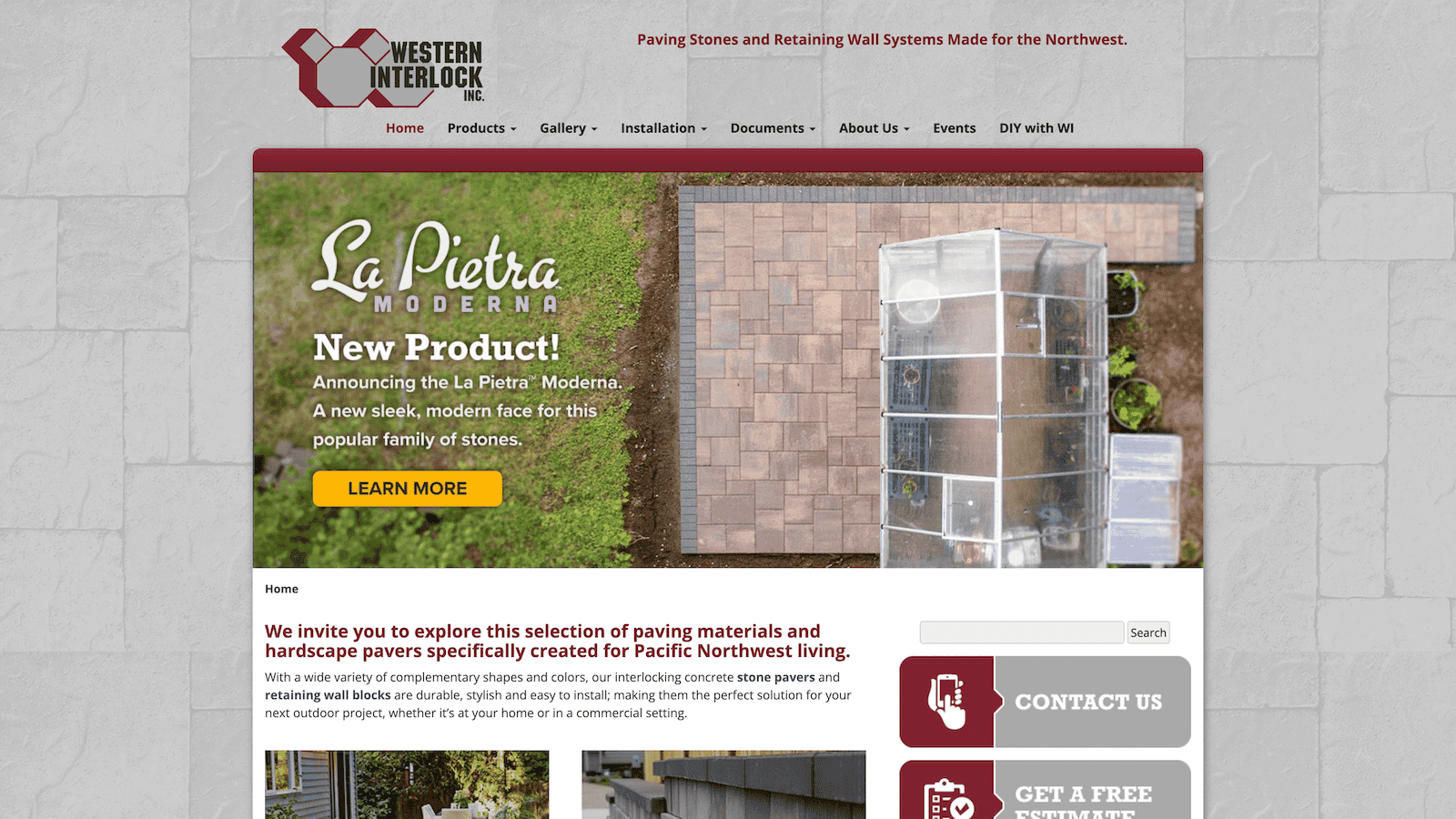
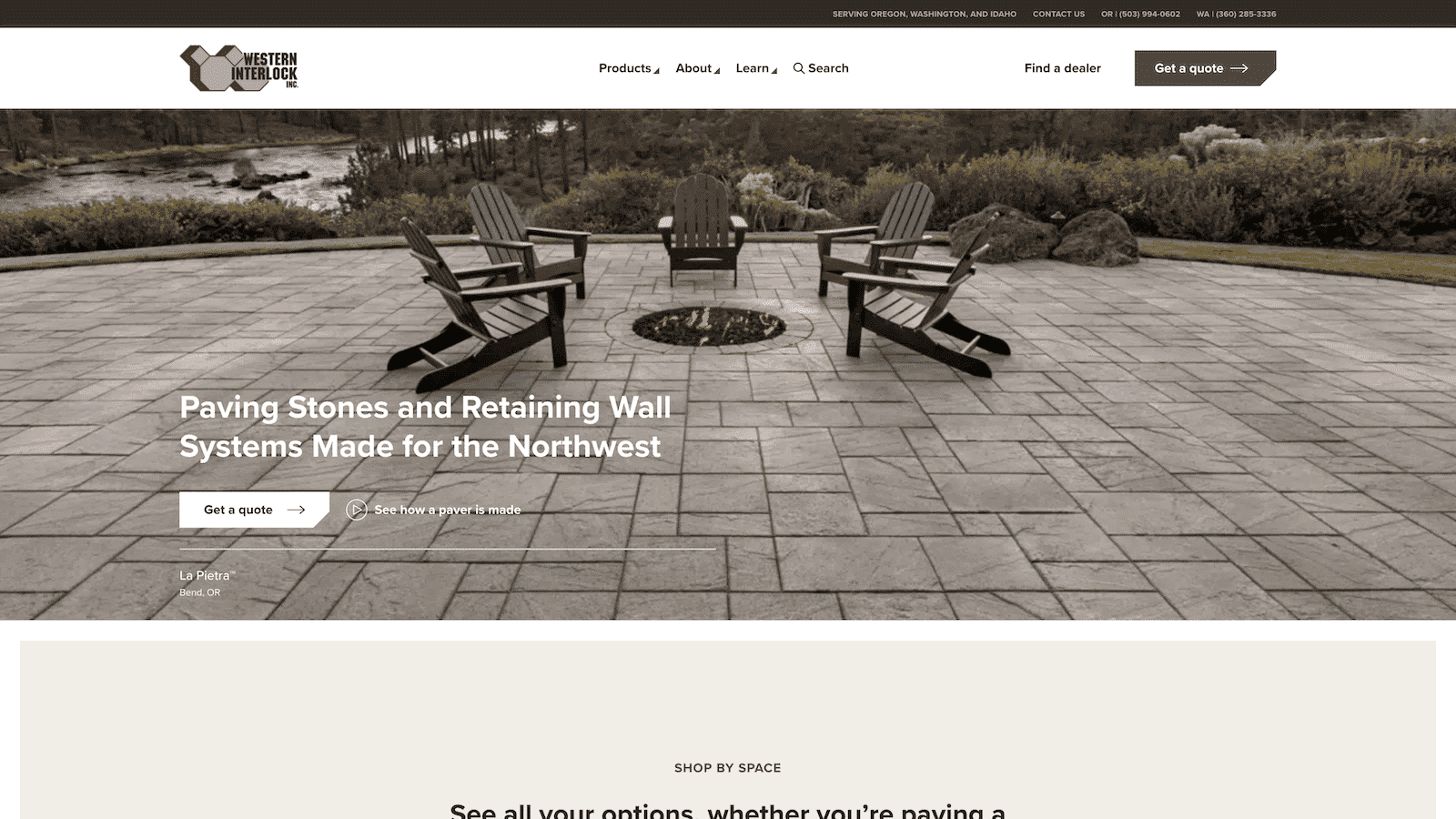
    1. Western Interlock

    The Western Interlock website needed a new look to align with its brand and accommodate high-traffic DIY blog content while ensuring easy navigation. 

    The solution involved a brand refresh and a streamlined information architecture for user-friendly navigation. 

    The outcome is a visually appealing and fast website optimized for mobile and engagement. Shortly after launch, estimate requests and traffic more than doubled, making it a successful transformation. Specifically, a 65% increase in users and a 2.9% decreased bounce rate.

    western interlock — Before
    western interlock manufacturing website
    western interlock — After

    They are the only vendor that I’ve ever met that gets down and dirty to make sure work gets done well and on time.

    NATHAN, DIRECTOR OF MARKETING

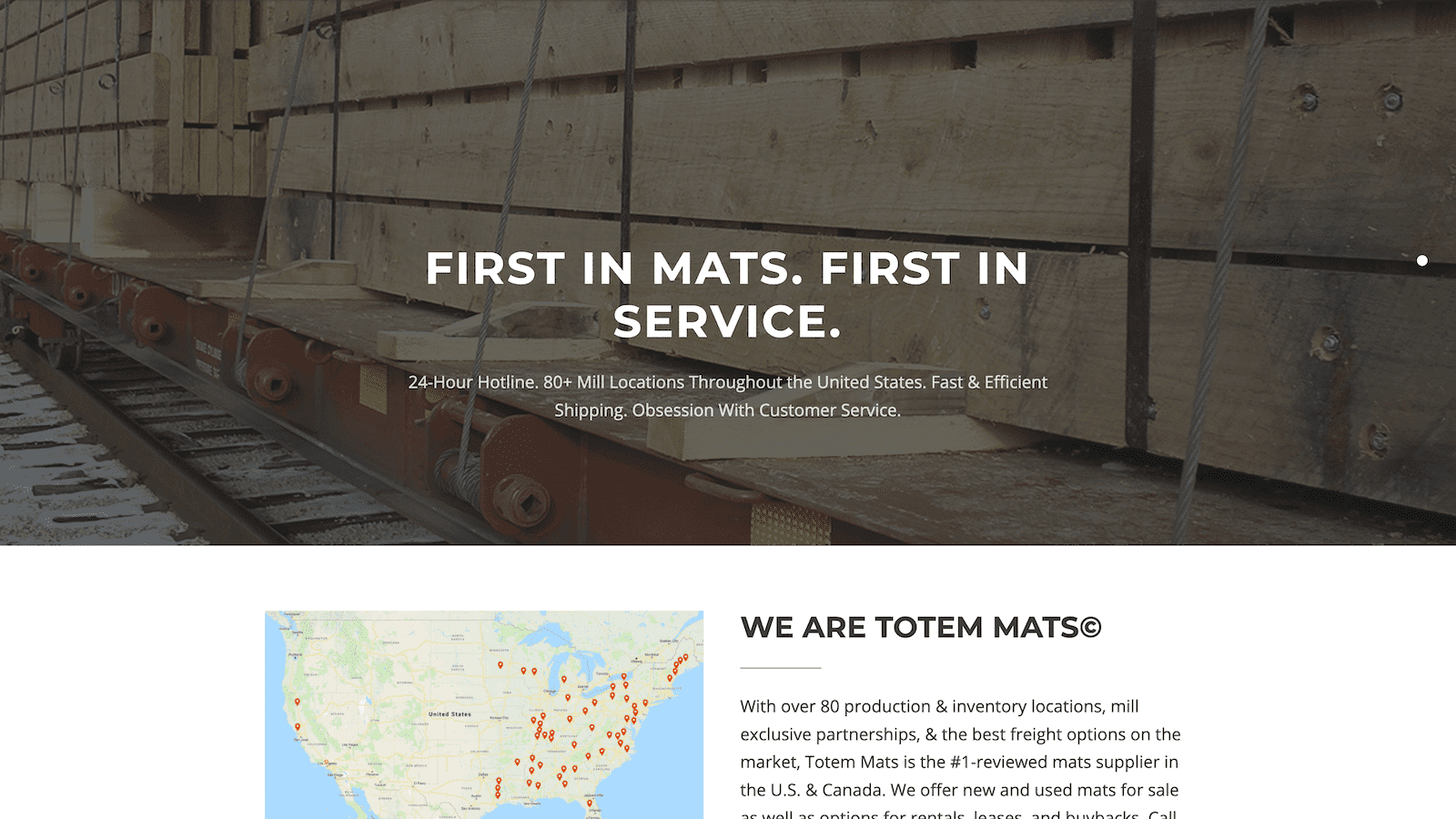
    2. Totem Mats

    Totem Mats faced the challenge of an outdated and underperforming website that needed redesigning and additional features without losing organic search traction. They also required lead integration with Salesforce. 

    The solution involved a complete website overhaul, including visual enhancements, product page restructuring, and performance optimization. 

    The result was a seamless website launch with no traffic losses, a 69% increase in SEO traffic, improved lead generation, streamlined business processes, and increased confidence in the website’s appearance and functionality.

    Totem Mats — before
    totem mats — after

    Their continued efforts on everything we threw and their abilities to overcome challenging problems were incredible.

    Trevor Sarazin, CEO

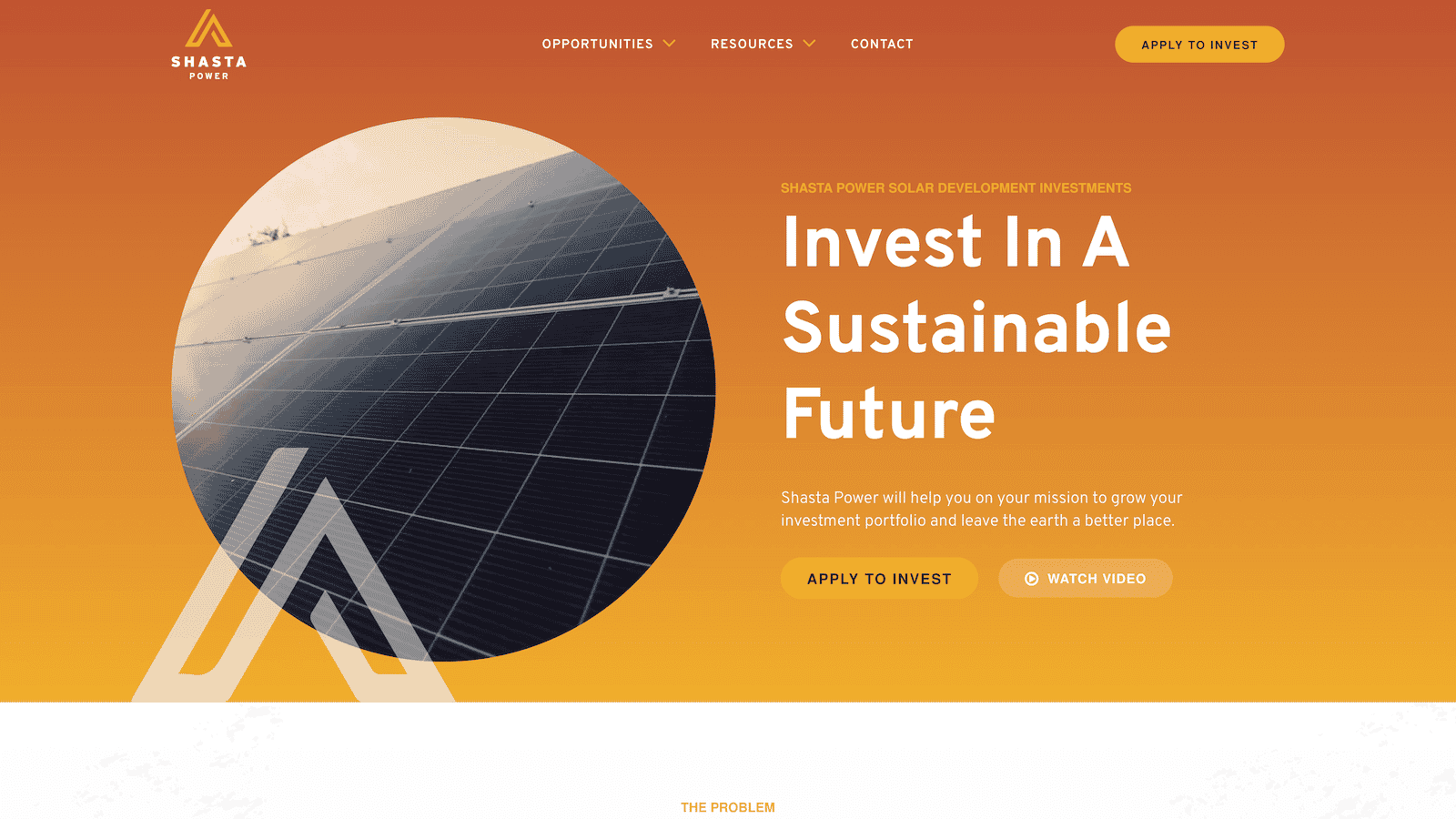
    3. Shasta Power

    Shasta Power faced the challenge of needing a professional website but encountering design firms that didn’t consider their unique business needs. 

    The solution involved a comprehensive website process, starting with understanding goals, then a brand refresh, and creating a custom, responsive WordPress website with integrated business systems. 

    The results were impressive, with a significant increase in awareness metrics, including a 600% rise in new followers and a 200% increase in site visitors. Despite a tight timeline, the brand’s quality was maintained, showcasing the project’s success.

    Shasta Power — before
    Shasta Power — after

    I get a sense of honesty and quality from them; they take their work seriously.

    MAX, co-FOUNDER

    Pro tools and resources for developing a website launch plan

    Developing a comprehensive website launch plan requires access to various tools and resources. Here are some valuable tools and resources we use regularly and will assist you in creating a successful website launch plan.

    1. Free website planning guide PDF

    If you haven’t yet, download our free Website Design Planner to streamline your web design planning process and ensure a clear roadmap for your project.

    Most website planners are just dressed-up spreadsheets that are boring and analytical. The Structure Website Planner is fun and helps you organize your goals and tasks to ensure you create your desired website.

    2. Virtual website workshop

    Register for your team’s private on-site (or virtual) website strategy workshop.

    In our fun and productive workshop with Structure, you’ll get coaching, feedback, and plans from website experts so you know you’re doing it right.

    3. Slickplan website planning tool

    If you’re semi-technical and detailed regarding digital strategy, Slickplan offers a low-cost digital website planning tool that covers much of the in-the-weeds planning.

    It’s a great tool to complement the Structure Website Planning Guide PDF if you’re doing it yourself.

    4. Structure web design, development, and management services

    If you’re not looking to do any work yourself but are just looking to hand the website project off to a team of experts, that’s okay!

    Structure can manage and complete the entire website launch planning and implementation process from start to finish.

    We’ve streamlined the sub-standard web design experience you get from most local agencies, so you’re in safe hands.

    5. WordPress & WP Engine

    If you’re looking for a fail-proof CMS + Host combo, go no further than WordPress and WP Engine.

    They’re industry-leading platforms that are the ones to beat. Being the most familiar platform + managed hosting, you will make your work easier regarding website launch plan implementation. 

    Common questions about how to launch a new website

    How do you announce a new website launch?

    When launching a new website, think of it like a food product label update in the grocery store.

    Customers care if it still meets their needs, not just the look. So, introduce your website as an improvement for them, not just a design change. And just like the food label, skip shouting it on external channels; instead, focus on welcoming users with a video or announcement bar on your site.

    What are the steps to launch a website?

    The steps to launching a website, from beginning to end, are:

    1. Define your goals
    2. Design your pages
    3. Develop your CMS
    4. Manage your website
    5. Grow your business

    For more detailed information, scroll back to the 5 Stages of a Successful Website Launch Plan section.

    How do I launch and promote my website?

    If you’re launching a new or redesigned website and need to promote it, here are the three next steps:

    1. Write blog articles about your product or service
    2. Run Paid Search ads to help people find you right away
    3. Create a free offer to generate leads and provide value to your customers

    What is the best day of the week to launch a website?

    Your buyer’s needs in this area are unpredictable. However, website launch timing matters for your business.

    For that reason, Tuesday is ideal.

    Mondays are for final preparations, and launching after Thursday risks a weekend workload. Tuesday offers a buffer with Wednesday and sets you up for a smooth week ahead.

    How long should it take to launch a website?

    3-6 months, on average. Most simple websites launch within three months, and websites with a standard level of complexity launch within six months.

    However, as you know, websites are complex. Therefore, there’s no definitive way to pinpoint a boilerplate website launch timeline. At Structure, we’ve launched websites in as little as 30 days and as long as two years. It all depends on the complexity, team, goals, and budget.