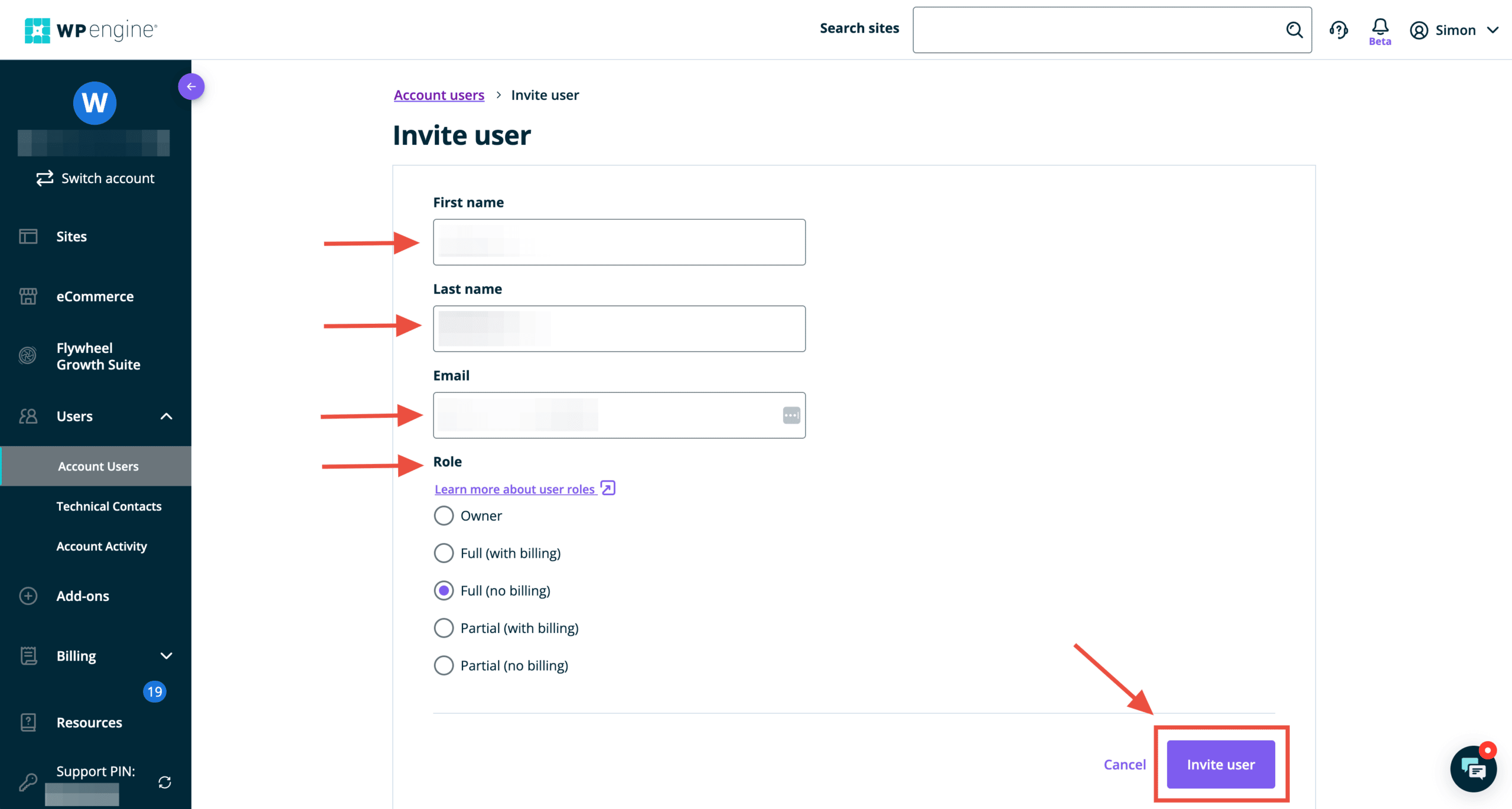
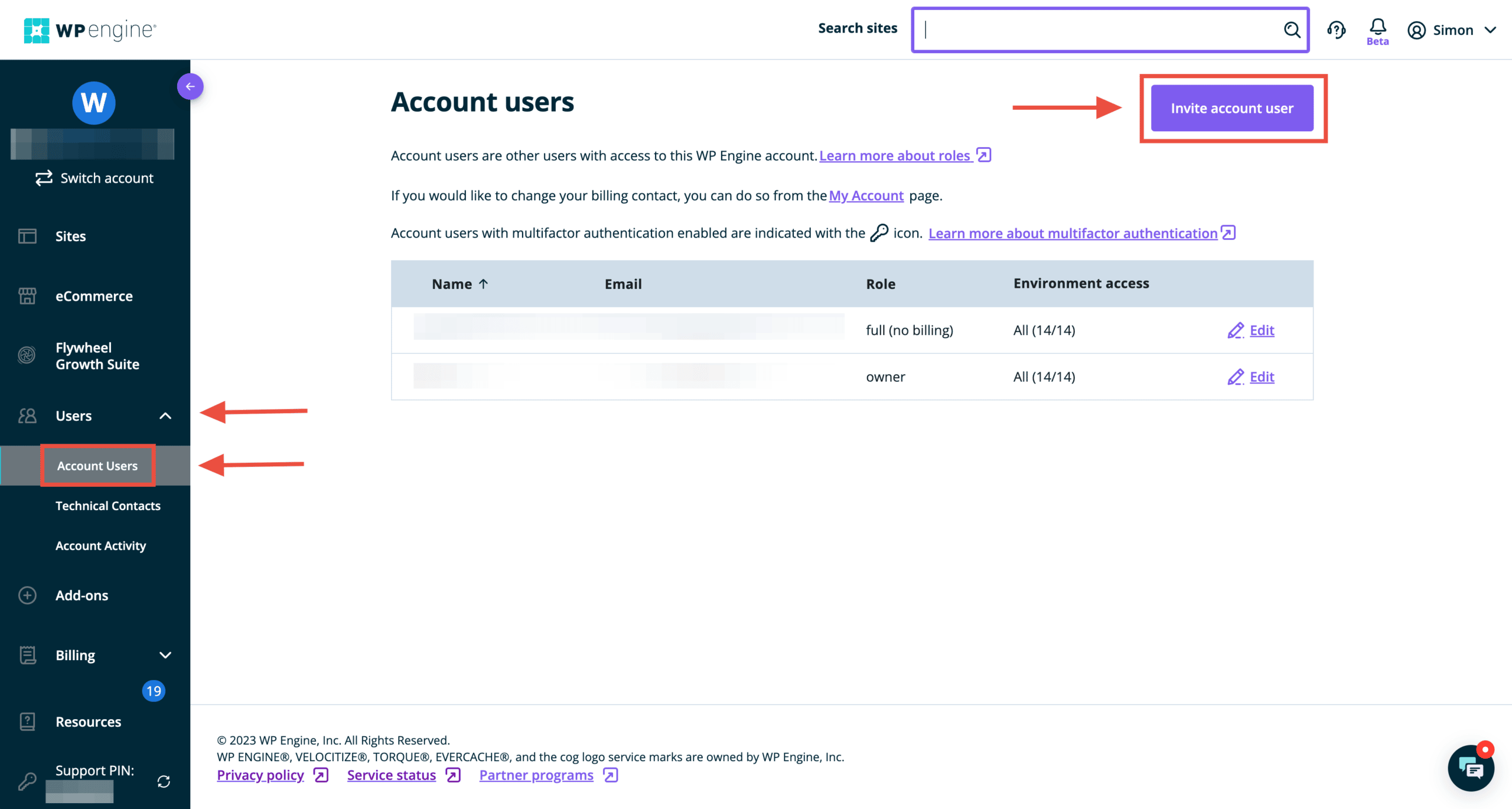
Tag: website maintenance

  • 5 Things Your WordPress Website Management Services Should Include

    5 Things Your WordPress Website Management Services Should Include

    Unsure if your WordPress website management services are up to par? Don’t worry . . . you’ve come to the right spot! This blog post outlines five things to include in quality website management. Read on and gain insight into whether or not your current provider delivers what they promise. Let’s jump in!

    Structure’s mission is to deliver the most efficient yet human WordPress website management services. We ultimately improve our client’s businesses by helping them get better business results from their websites. 

    One of the ways we do this is by providing unbiased information about WordPress management services upfront. Hence, potential clients better understand what level of website management services they need for their vision.

    Get 2 Months of FREE WordPress Management

    Learn more about our WordPress Management Packages and get two months free when you commit annually.

    1. Backups: If something goes wrong, your website management services should include regular backups of your site data

    Having an up-to-date backup of your website data is like a life jacket when you’re boating in the open seas (except less…lifesaving). You can rest easy knowing that if something goes wrong with your WordPress site—and it will—you won’t be stuck paddling upstream with a spoon. You’ll quickly be back on dry land with regular backups as part of your WordPress management service package.

    A backup is only as good as its restore. That means if your WordPress site has decided to pull an unexpected disappearing act, having backups will result in a surefire way to restore order quicker than you can say, ‘Where are my posts’?

    Managed hosting services like WP Engine Managed WordPress Hosting typically include daily backups as a part of your plan. However, suppose you’re hosting your website through another provider like GoDaddy, HostGator, or Bluehost. In that case, you’ll want to ensure you set up a daily WordPress backup system or hire a WordPress management service provider like Structure to put a plan in place for those backups in case you need them.

    The most significant benefit of hiring a WordPress management service to manage your backups is that they not only ensure your website is backed up daily, they’re on hand to help restore your site if it goes down or breaks.

    A WordPress management service like Structure builds a safety net for your website with reliable, timely backups. You can rest assured that no matter what happens with your website, you can have a perfect restoration before you miss any opportunities.

    A WordPress management service like Structure builds a safety net for your website with reliable, timely backups.

    2. Updates: Your website management services should include regular updates to the WordPress core, plugins, and themes

    You must keep your website up-to-date, especially if you want a website that works the way it should and helps you achieve your goals.

    Unfortunately, it isn’t as simple as pushing a button, so folks like you hire a professional WordPress website management service.

    Websites require ongoing maintenance and regular updates to the WordPress core, plugins, and themes. Any WordPress management services worth their salt will ensure that these updates remain current so you don’t have to worry about broken links, security risks, or compatibility errors on your website.

    It’s common for a startup founder, marketing director, or website manager to think they can take care of the monthly website updates. However, it was not long before they experienced an issue, and they had to pay a developer $1,000 to fix a dumb little thing that could’ve been avoided with regular updates.

    At Structure, WordPress software updates are a core part of our WordPress management services. We work with you to understand your website’s setup and ensure that WordPress is up-to-date quickly and efficiently. After we update your website, we also complete a thorough Testing and Quality Assurance process to verify your website works as well, if not better, than it did before the update.

    Last but not least, we have a team of WordPress developers on hand to handle any issues that may arise from the update process.

    Get 2 Months of FREE WordPress Management

    Learn more about our WordPress Management Packages and get two months free when you commit annually.

    So if you haven’t already, Schedule a Free Consult Call with Structure ASAP to get the ball rolling and your website up-to-date.

    3. Security: Website management services should also include security measures to protect your site from hackers

    Your WordPress management service must include security measures to protect your WordPress site and ensure you don’t compromise your business or customer data.

    You can guard against malicious activity with the right security solutions while providing a great user experience. Investing in WordPress security is a smart move that will pay off long term!

    What kind of security measures, you might ask? Beyond keeping your website backed up and up-to-date, three security measures come to mind.

    1. Integrated Firewall
    2. Automatic Malware Scanner
    3. Instant Malware Cleaner

    Many DIY website managers and freelancers use WordPress security plugins like iThemes Security, WordFence, & Sucuri on their sites. They’re helpful plugins, but they all have the same problem—their websites get hacked!

    If your security plugin is out-of-date, it’s like walking into a shooting range with a target on your back. There’s a better way!

    Security measures like a third-party firewall, malware scanner, and malware cleaner help protect your WordPress website from malicious activity and hacks and keep it clean.

    Integrated Firewall

    Our integrated web application firewall (WAF) provides complete security for your website from malicious hackers and bots. Furthermore, our Threat Intelligence Network is constantly updated with new rules and IPs to ensure no attacks go unnoticed or uncaught in real time.

    Automatic Malware Scanner

    Our precise malware scanner will thoroughly scan your entire site, including databases and files, to detect even the most complex types of malware.

    Instant Malware Cleaner

    Once a malware scanner has identified malicious files, a malware cleaner can quickly and effectively remove them.

    Don’t let security fears and flaws concern you any longer. Consider Structure as your WordPress management service provider and ensure you’re in the most defensible position against security attacks.

    Consider Structure as your WordPress management service provider and ensure you're in the most defensible position against security attacks.

    4. Reports: Website management services should keep you in the loop and regularly communicate how your website is doing

    Let’s face it, as great a WordPress manager as someone may think they are—you’re ultimately responsible for the outcome of your website. You need to stay in the loop and know what’s going on.

    I encourage all WordPress owners to use a website management service that does regular reporting. Monthly reporting is plenty; if you’re on top of it, there’s nothing wrong with weekly website reports.

    Our personalized Website Report presents a detailed overview of the health of your website. The report is generated based on the insights drawn through our systems and analysis by our team to help you keep track of all the changes and improvements on your website.

    Specifically, our report includes the following:

    • Overview of your website health
    • Core, Plugins, and Themes updates
    • Number and frequency of backups
    • Security scan status and frequency
    • Firewall status and traffic or login requests
    • Uptime state and current rate
    • Performance score and current page size
    • Traffic sessions, page views, and bounce rate

    You may not require an update on all those items. That’s okay! The key is to ensure your WordPress management provider isn’t just secretly working behind the scenes—they must show you the value they’re adding to your business.

    Keep tabs on those WordPress management reports and ensure you have an eagle-eyed view of how your site—and your WordPress management service provider are doing. Please don’t leave it up to guesswork!

    Get 2 Months of FREE WordPress Management

    Learn more about our WordPress Management Packages and get two months free when you commit annually.

    5. Support: If you have any questions or need help with anything, your website management services should offer support when you need it

    Why worry about website management when your website support has got you covered? Websites are complex money-making machines, and it helps when you have an expert on hand to answer any question so you can ensure your website is always working.

    A WordPress management service knows how vital website support is to ensure everything runs smoothly. And ooh baby, they better deliver! When they do their job, it saves you from spending your time frenetically searching for answers, cross-referencing the web, and watching YouTube videos trying to figure out what is happening.

    Structure WordPress Management packages provide a Dedicated, U.S.-based Account Manager and a 24-hour Response Time during the workweek. Typically, you can expect to hear back same-day if it’s not “one of those days,” . . . if you catch the drift.

    Please don’t leave it to luck. Trust a WordPress management service like Structure so you can focus on what you know, and managing your website can be an enjoyable and hassle-free process.

    Finding a good website management service that can handle all the behind-the-scenes work is essential to keep your website running smoothly and looking great.

    A good website manager will handle updates, security, backups, monitoring, and support, so you don’t have to worry about it. This will give you more time to focus on creating great content for your site.

    Do you have a website management service that you’re happy with? Let us know in the comments below.

    Common Questions About WordPress Management Services

    What are WordPress maintenance services?

    WordPress maintenance is a fancy word to describe many activities you must do to ensure your website runs well.

    You can’t just do it sometimes; you must always do it to keep your website healthy. Depending on your website’s complexity, you might need maintenance every day or week.

    This is why folks often hire a WordPress management service like Structure to manage and maintain their website. It takes a lot of work, and you must know what you’re doing!

    How much does it cost to service a WordPress website?

    You can expect the cost to be anywhere between $250 to $1,500 per month, depending on how much support you need.

    For example, a custom-built, large e-commerce website is costly to maintain. The website maintenance company needs more manual work to manage your site.

    On the other hand, a simple informational website is cheap to maintain. The website management provider needs less manual work to manage your site.

    What are the benefits of hiring professional WordPress Management Services?

    Having a WordPress management service like Structure comes with many benefits. You can focus on other business areas and trust WordPress will be handled.

    • A website that works
    • No more inexperienced freelancers
    • Say goodbye to website downtime
    • More time to focus on what’s essential for your business
    • Increased website performance, efficiency, and reliability
    • Peace of mind knowing that an expert is handling your website’s technical aspects

    I mean, you can try to manage your website by yourself. But why would you want to when it only costs $250/mo, and you never have to worry about whether your website is working? WordPress management services are a stupid smart way to ensure you get the best results out of your website.

    Why do you need WordPress maintenance services?

    WordPress gets new updates every month. This makes WordPress more secure and better at work. If you have a WordPress website, you need to do some things to keep it secure. You need to keep the core code updated and any plugins you might use. If you don’t hire a WordPress maintenance service, you’ll be on the hook for doing these things yourself.

    Furthermore, having a dedicated WordPress professional on hand and only an email away is priceless. Eventually, your website will give you trouble, and you’ll need someone to help. Having a WordPress management service provider available and familiar with your website is a surefire way of setting yourself up for success.

  • WordPress Management and Maintenance  Services: How to Outsource, DIY, or Keep In House

    WordPress Management and Maintenance Services: How to Outsource, DIY, or Keep In House

    Running a website is hard. There are many areas to focus on, from content creation and admin to updates and security. Here’s how to untangle your WordPress management mess—and get a system in place so your website works.

    Structure’s mission is to deliver the best website design, build, and management experience available and ultimately improve our client’s business by helping them turn their website into an asset instead of a liability.

    In this article, we’ll help you do that by explaining what WordPress management is, what you should know, and how to find help.

    Get 2 Months of FREE WordPress Management

    Learn more about our WordPress Management Packages and get two months free when you commit annually.

    Why WordPress Management & Maintenance Is Important

    First, like any home you’ve ever owned, all WordPress websites need to be managed (in some way or another). The depth of management needs varies highly depending on the complexity of the website, but they all need to be tended to.

    Managing a website is like managing a home

    If you have a small house, a simple family, and low foot traffic, your home will endure less wear and tear and require less maintenance.

    However, your home will endure more wear and tear if you have a larger house, a more complex family, and entertain often. It will, therefore, require more maintenance. 

    When you’ve got a busy house, it’s a party! But the walls get scuffed up, the dishwasher goes out, and a window gets broken now and then—the same thing with your business.

    If you’ve got a small website with only a few things going on, it will require much less maintenance. You might be able to go months without making an update. 

    However, suppose you have a more extensive website that integrates with complex business systems and workflows, stores customer account data, and supports high traffic through a blog. In that case, your website will require more maintenance.

    The biggest problem is that most website managers have been burned at least once by WordPress developers with poor communication and minor to no professionalism. This makes finding website management a frustrating experience. Who to trust? Where to turn? What to spend?

    The Problem with WordPress Management

    1. You think you don’t need to manage your WordPress website

    I recently had a conversation with one of our clients who was considering signing up for the Essential WordPress Management Package. During our conversation, he mentioned his reservations about buying the package.

    “My only reservation is that we had the prior website up for several years without website management. It seemed to always run fine without any extra fees or work.”

    Fair comment! However, he didn’t know it was severely outdated when I logged into their website for the first time to start their redesign project. 

    An outdated WordPress website like this opened them up to massive security vulnerabilities, and it’s a wonder their site didn’t get hacked. I’ve seen it happen before! 

    It was so outdated that elements on the website’s front end were broken (like its header navigation), keeping customers from finding certain pages. The logo wasn’t even showing. That’s why you need to manage your WordPress website

    What happens if you do actively manage your website

    Here are a few wins when you keep up on updates and general management:

    • Fix security vulnerabilities
    • Repair functionality bugs
    • Add updated security features
    • Replace and update functionality
    • Improve the performance of the whole ecosystem

    Another of our WordPress website management clients likens the management and maintenance tasks to getting an oil change in their car. To keep the engine running like a well-oiled machine, you’ve got to change the oil frequently. 

    What happens if you don’t actively manage your website

    By not managing your site correctly and performing routine updates, you risk:

    • Your site is broken or down
    • Customers can’t checkout or contact you
    • Content formatting is missing or broken
    • All of your information gets stolen 
    • Your site is transformed into another site
    • Your site is used to spread viruses and malware

    You may not notice any issues immediately if you don’t manage your website. Updates don’t fix what will happen. They fix what may occur, and what may happen is far worse.

    Keep your WordPress website up to date. It fixes potential issues that could ruin your site, reputation, data, etc. Hopefully, you don’t find yourself a target. But if you are, it will be a massive problem.

    2. You think you can do it yourself

    Yes, you can manage your WordPress website yourself. However, I’ve never seen anyone do it!

    At a minimum, WordPress Management involves regular (ideally monthly) WordPress Core, Theme, and Plugin updates. 

    At a maximum, management involves:

    • Adding Security and Firewall Protection (and monitoring it), so you don’t get hacked,
    • Activity Reporting so you can look back and see who did what on the backend of your website… and when,
    • Uptime Monitoring so we get alerted the moment your site goes down (if it ever does), and we can resolve it (no joke, this happened to a client this morning, and we were fixing the issue 30 minutes before they even realized the site was down), and
    • Daily Backup Storage so your site can be restored to a functioning machine if there’s an issue.

    Our Website Management packages include all of these items. We also test all updates on a Staging site before updating our client’s Production site. That way, we catch bugs or broken items before they affect website visitors. This requires thorough knowledge of the website and Quality Assurance testing to ensure that everything works as intended after updates are made.

    Lastly, we ensure you get a Dedicated Account Manager, 24-hour Response Time (During the Workweek), and a Monthly Detailed Website Report. Hence, you have full access and visibility into our work.

    You might be website savvy and have time to do all this yourself. In that case, you don’t need our help! 

    Focus on growing your business

    But most of the time, our clients don’t want to be bogged down managing their websites. They’d rather have us keep watch and make the necessary updates. 

    I seem to have many analogies for website management, but one of them is that I like to think of it as property management. If you own one or more properties, you could manage them yourself. 

    However, then you’re the one who’s on the hook managing them and responding to issues when they arise. That’s precisely the reason many opt to hire a property management company. They don’t want to do it themselves.

    We’ve found that those who say they want to manage their website themselves don’t want to manage their website themselves. They don’t want to pay for website management at all. You don’t let your business books go outdated without adverse downstream effects. Neither should you ignore your WordPress website. 

    Don’t fool yourself by thinking you’ll keep your website updated if you won’t. Hire a professional to help.

    3. You think you can hire a freelance WordPress developer for less

    Unprofessional, overpriced WordPress website developers are the reality for so many businesses. This is a severe problem in our industry—and one Structure doesn’t take lightly. 

    Because of these “bad experiences,” a handful of myths floating around about WordPress Website Management, making it hard to see the value in hiring professional help. One of them is that WordPress website management is expensive. 

    If you’ve heard it said that “WordPress” management is expensive. That usually means paying high upfront costs, long-term commitments, or surprising fees that can feel like nickel and diming.

    On the other hand, some WordPress website management is cheap. It is so cheap that it can only be offered at such a low price because it’s either outsourced overseas or low-quality. 

    At Structure, we’ve set a small monthly fee with no upfront or long-term commitment. Furthermore, you can lower your monthly fee by consenting to an annual commitment. You save quite a bit of money if you commit to a year!

    For example, our Essential WordPress Management Package costs no more than outsourcing bookkeeping with Bench. If you can pay a minimum of $249/mo (when paid upfront) to ensure your books are in order, you should be able to pay a minimum of $249/mo (when paid upfront) to ensure your website is in order.

    WordPress management and maintenance options

    You’re convinced that you need to manage your WordPress website actively. You have a few options for keeping it up to date.

    1. Manage your own WordPress website

    This is an excellent option if you’re website savvy and have the time. You can download plugins, configure settings, and update your site yourself. This is a good choice if you don’t plan to update your WordPress website frequently.

    In this case, you’re either completely savvy, or you have a simple website and little to no traffic that would be interrupted if there was an issue.

    2. Create an in-house WordPress website management team 

    This is an excellent option if you have the budget and resources available. You can hire a team of experts to manage your WordPress website. This allows you to control every aspect of website management and maintenance.

    One of the most significant benefits of having an in-house team is that your response time to any issue will be almost immediate—and you’ll have the resources to tackle the problem. However, to build a full-stack in-house WordPress website management team, you’ll need the following specialized roles:

    • Web strategist
    • Web designer
    • Web developer
    • Content writer 

    That’s why most companies outsource WordPress website management to an agency or service provider because hiring for all the positions you need is more of a headache when you could plug in a ready-to-go team.

    3. Outsource WordPress website management to an agency or service provider

    Outsourcing WordPress website management is the next best option if creating an in-house team isn’t feasible. This allows you to offload website maintenance and management tasks while still having access to a team of experts.

    Two primary ways people outsource WordPress maintenance and management are managed hosting or Hiring an Agency.

    Managed Hosting

    The first option is to pay for a managed WordPress hosting plan, which means the provider takes over much of the technical legwork that goes into running your WordPress site. They also provide premium customer support that goes above and beyond what you usually get with web hosting.

    Companies like WP Engine (our recommendation), Bluehost, SiteGround, and others offer managed WordPress hosting plans. These can be a great way to offload some of your site management responsibilities, though you must pay more than you do for “unmanaged” hosting.

    Specifically, managed hosting services can significantly help you with infrastructure issues, particularly when you have downtime or an SSL expiration. However, they’re not so great for maintenance issues, as they’re constrained on what they’ll touch on your website. And while they’re typically accessible via chat, you usually talk to a technical support agent. Most of what they’ll say will likely go right over your head!

    That’s why we recommend using a managed hosting plan for infrastructure management alongside an agency partner who can help maintain your site while overseeing the managed hosting.

    Agency Management Services

    Structure offers WordPress website management service packages that fit almost every website and business. We provide everything you need to ensure your WordPress website stays up-to-date, secure, and optimized.

    We offer plans for both small and large businesses. Our Essential plan is perfect for companies with a smaller budget—it starts at just $249/mo when paid upfront. And for larger companies needing more attention and features, our Professional plan is ideal—starting at $499/mo (when paid upfront).

    No matter the size of your business or budget, we can help manage and maintain your website. We have years of experience with WordPress websites and will work with you to ensure that your website is always up-to-date, secure, and optimized for performance.

    If you’re looking for an experienced team to manage your WordPress website, Structure is here to help.

    The primary areas that WordPress Management services cover

    1. Administration

    If you’re like most companies, multiple people have logins and could be updating content or data at any given time.

    A good WordPress management service will have a thorough knowledge of your website and can add, update, disable, or delete user roles as you need. Bonus if they monitor and can report on the website usage or activity in case you need to find out who did what.

    Our Structure WordPress management packages include a comprehensive Activity Log report viewable in real-time online or via the weekly or monthly Detailed Website Report.

    2. Backups

    Backups are essential for restoration. Without them, a healthy and fully functional version of your website would be impossible to return to if it is the victim of malicious online activity.

    Backups are the saving grace in any situation, even when mistakes occur, or data is accidentally lost without malicious intent.

    Having a reliable maintenance service to install your site backup if anything goes awry swiftly is immensely priceless. It eliminates the anxiety of potentially losing it all. Although small companies will find this feature incredibly useful, well-informed solopreneurs can back up their sites independently and may not need this specific service.

    All of our Structure WordPress management packages include backups and backup restoration. If you’re on the Professional WordPress Website Management package or higher, you also get 2+ additional hours of bug fixes if any functionality needs to be repaired or restored.

    3. Theme, Plugin, and WP Core Updates

    WordPress sites are constantly updated. Plugins, themes, and WP Core must be regularly updated (at least once monthly) to keep your website functioning as expected, secure from potential threats, and running efficiently.

    The problem is that updates can sometimes conflict with other elements of your website or cause other problems—if done incorrectly or without proper attention. That’s why making all updates on a staging environment is crucial before updating your life site.

    This Theme, Plugin, and WP Core Update Quality Assurance process is one we employ at Structure, and we would recommend it no matter the status of your website.

    4. Security Monitoring

    Malware Scans & Removal

    Unfortunately, malicious actors are out there waiting to take advantage of any vulnerabilities they find on your website. They can cause irreparable damage, steal user data, or even completely erase your site if you’re not careful. That’s why it’s essential to have security monitoring in place—to alert you when anything suspicious is detected quickly and to help you remove any malicious code or activity.

    Fortunately, that’s precisely what our Structure WordPress management services provide. Our packages include daily malware scans and removal if anything is discovered.

    Firewall

    A firewall is essential for any website. It’s the first line of defense against malicious actors and can help protect your site from potential threats.

    Structure’s management services include a responsive web application firewall (WAF). This will stop suspicious traffic before reaching your server and protect against malicious attacks, including DDoS, SQL injections, and more. They also offer a secure login interface with two-factor authentication to help protect your site from unauthorized access.

    Bot Protection

    One of the most common cyber-attacks is bots. Cyber thieves use bots to steal data, spread malware, etc.

    Our Structure WordPress management packages include robust bot protection that will help keep your site secure from malicious activity. It monitors suspicious activity and blocks any requests before they reach your server.

    Login Protection

    Often, your WordPress website will be the target of brute-force attacks. This is when someone attempts to guess your login credentials repeatedly until they can gain access to your site.

    At Structure, each package includes intelligent login protection and two-factor authentication for maximum security. This helps protect against potential cyber threats by making it harder for unauthorized users to gain access to your site.

    Activity Log

    Activity logging is another essential security measure that helps keep your website safe and secure. It gives you a clear view of what’s happening on your site, including user activity, successful logins or failed attempts, etc.

    With our Structure WordPress management packages, you get access to an easy-to-read activity log that lets you monitor all the activity on your site in real-time. This helps you stay on top of any suspicious activity and take action if necessary.

    Uptime Monitoring

    It’s also important to keep an eye on the uptime of your website. You need to ensure it’s functioning correctly and that no issues affect its performance.

    Our Structure WordPress management packages include regular uptime monitoring, so you can be sure your site is always running at peak efficiency. We’ll alert you if your website ever goes down and help you get it back up and running as quickly as possible.

    5. Reporting

    Lastly, good website Management would include tracking metrics and reporting on them. You want to keep a record week-over-week and month-over-month to know the trends and spot any off-the-wall activity.

    Our Structure WordPress management packages deliver a detailed weekly or monthly PDF report that gives you an in-depth look at your site’s performance. If you want real-time visibility, you can view your WordPress management dashboard.

    We’ll also track and report on critical metrics such as page visits, time spent on each page, bounce rates, conversions, etc., so you can see how your website is doing.

    WordPress Management FAQs

    What happens if you don’t update WordPress?

    Nothing will happen immediately if you don’t update your WordPress installation, plugins, and themes. However, you open yourself to possible attacks and functionality issues by not updating your installation, plugins, or themes over time.

    What are the best WordPress Maintenance and Management Services?

    There are many WordPress maintenance and management services available. Some of the best available are:

    Note that each service producer has their specialty and will serve your business differently. Evaluate each service individually and talk to their teams.

    What are the best ways to secure your WordPress site?

    The best way to secure your WordPress site is to use a combination of security measures such as:

    • Strong passwords
    • Two-factor authentication
    • SSL / TLS encryption
    • Backups
    • Monitoring activity logs
    • Uptime monitoring
    • Regular updates and patches

    Additionally, using a quality-managed WordPress hosting provider can help keep your site secure, as they will provide additional layers of protection and make sure your site is always running optimally.

    What is the importance of WordPress management?

    The importance of WordPress website management lies in its ability to keep your site secure, up-to-date, and running smoothly. It can also help you track web performance metrics so you can identify any issues and take action to improve them.

    You don’t have to do anything with a managed service for your WordPress site, from security patches and updates to backups and performance optimization. This allows you to focus on what matters most – growing your business.

    What type of reporting do Structure WordPress management packages offer?

    Our Structure WordPress management packages provide you with a detailed weekly or monthly PDF report so that you can track your website’s progress. If you’re searching for an even more in-depth overview, log into our exclusive dashboard and get real-time visibility to monitor your site’s performance!

    What’s the difference between WordPress management and maintenance?

    Website management and website maintenance have very similar meanings. Generally, website management refers to monitoring and optimizing your site’s performance, while website maintenance involves updating plugins, themes, core files, and other components that keep your site running smoothly.

    In other words, website maintenance is something you do when you manage a website. When you manage your website, you oversee all aspects of its functioning. When you maintain your website, you take specific action to improve its performance.

    The Structure Professional and Premium WordPress Website Management packages include WordPress maintenance, which includes:

    • Performance Checks
    • 2 or 3 hours of additional Content Updates & Bug Fixes
    • Retainer Rollover
    • 1-Point or 5-Point Website Audit

    What do WordPress maintenance services do?

    WordPress maintenance services take direct action to keep your website up-to-date and secure. These services ensure that your site remains functional and safe. Some WordPress maintenance services also optimize performance to ensure your site runs at peak performance.

    Like Structure, they may offer services like content updates, bug fixes, retainer rollover, website audits, etc. All these services help you maintain a well-running website that is secure and reliable for your visitors.

    What do WordPress management services cost?

    The cost of WordPress website management services varies depending on the type and level of service you’re looking for. Structure offers three tiers of plans (Essential, Professional, and Premium) to suit various budgets. Our Basic plan starts at $249/month (when paid annually), while our Premium plan is $1,099/month (when paid annually).

    How to put WordPress into maintenance mode?

    Use the free WP Maintenance Mode plugin. This is an excellent choice if you want to create a simple maintenance mode page.

    If you’d like professional help putting WordPress into maintenance mode while you make updates on your website, schedule a free Consult Call with Structure.

    Do you manage WooCommerce websites?

    Websites with advanced functionality like WooCommerce require our Professional Plan, as do membership sites, multi-language sites, any sites with on-site payments, etc.

    They take more resources for us to manage. We’ll dedicate the resources we need to keep your website secure, fast, and running smoothly.

    Are there any WordPress maintenance services that are free?

    Yes, there are some free WordPress services available. Some of the most popular ones include Jetpack and WP-Optimize.

    Jetpack is a plugin with many features, including security, performance optimization, automated backups, malware scanning, and more.

    WP-Optimize optimizes your WordPress database, efficiently removing post revisions, trashed items, and other unnecessary data. Both are great tools to help you keep your WordPress site running as efficiently as possible.

    For more advanced needs, paid maintenance services are available from companies such as Structure that can provide more in-depth support for a fee.

  • 3 Steps to Eliminate Contact Form Spam from Your WordPress Website 

    3 Steps to Eliminate Contact Form Spam from Your WordPress Website 

    There’s nothing more annoying than contact form spam bots burying your inbox in mountains of fake submissions. Here’s how to stop it—for good.

    Spam bots are automated computer programs that submit incorrect information onto your contact or email signup form. They’re always looking for ways to assume control of your site, server, or email address so they can use it to send out spam emails. Even worse, they might pilfer your email list, so they have a new set of people to bug with their spammy messages.

    Spamming is often an uphill battle because spammers and bots constantly change their methods. However, there are some steps you can take to reduce the amount of spam that gets through successfully.

    Get a FREE Customized Digital Growth Plan

    Take our 10-minute Digital Maturity Assessment and receive a FREE, personalized digital growth score that uncovers gaps and drives your business forward.

    Take the Free Assessment →

    How to Directly Prevent Contact Form Spam

    1. Enable a Honeypot

    Honeypots are hidden contact fields that spammers will likely fill in, but users never see. Spam bots will see these fields and try to submit them, revealing themselves as a bot. Best of all, when the bot fills out your form, that form submission will go straight to the trash instead of your inbox.

    The best way to enable a honeypot is to use a contact form plugin with built-in honeypot functionality. For example, plugins like Contact Form 7 and Gravity Forms have honeypots.

    2. Add reCAPTCHA

    Another great way to protect your contact form from spam is to add a reCAPTCHA field. This is a simple checkbox that users must tick off for their contact form submission. If it’s not checked, the contact form submission will automatically be thrown out, and nothing happens – no new client, user, or extra mail in your inbox.

    There are two different types of reCAPTCHA available: visible and invisible.

    Visible reCAPTCHA

    The little boxes you see on websites to confirm that you’re not a robot are called reCAPTCHA. They could be better, but they’re much better than previous options and do an excellent job filtering spam.

    They work by comparing the contact form submission against a database of known spam email addresses. The contact form submission is considered spam and discarded if there’s a match.

    Invisible reCAPTCHA

    Invisible reCAPTCHA works precisely the same way but replaces those visible contact forms with a tiny element that users never see. Like its visible counterpart, this invisible field successfully filters out all contact form submissions from bots.

    3. Add a Conditional Submit Button

    If the above two methods aren’t cutting, adding a single-line text field to your form, which asks a simple question that only humans can answer, will bypass any bot. A natural person should be able to answer the question correctly, whereas most bots won’t. If someone gets through your form at this point, you’ll know it’s a human.

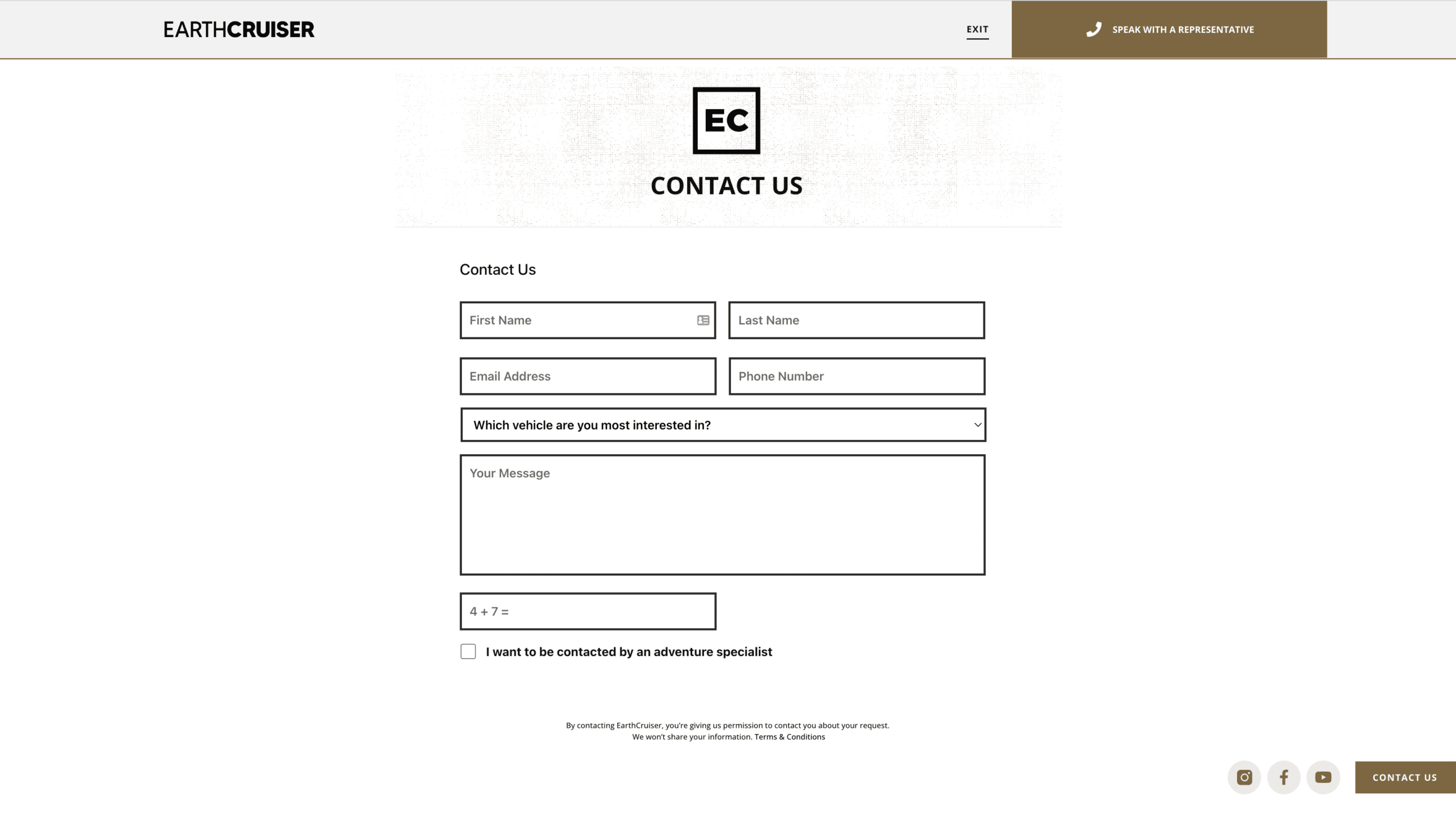
    Earthcruiser contact form submit button
    Earthcruiser conditional form submit button

    Enable button conditional logic based on this question field in your form plugin settings. If the submitter doesn’t input the correct answer, the form can’t submit. The trick is to simplify the question so anyone can answer and then only let through forms with the correct answer. 

    Here are some examples: 

    • 4+7=?
    • A dog has how many legs?
    • Everyone who lives, _________
    • USA is the acronym for __________

    No single anti-spam method in the world can catch 100% of spam. Because of that, you can find hundreds of anti-spam techniques and services across the internet, some that work and others that don’t. For complete elimination, we recommend using all three methods simultaneously.

    Get a FREE Customized Digital Growth Plan

    Take our 10-minute Digital Maturity Assessment and receive a FREE, personalized digital growth score that uncovers gaps and drives your business forward.

    Take the Free Assessment →

    How to Indirectly Prevent Contact Form Spam

    Choose a reputable WordPress website host

    Choosing a reputable WordPress website host is an essential step in preventing contact form spam.

    Many hosting providers are notorious for being plagued by contact form spam, so you must look into your potential host’s reputation and track record before committing. Some things to look for include: 

    • A history of contact from spam issues and how the hosting provider has dealt with them
    • Robust security features, including firewalls, malware protection, and data backups
    • Fast loading speeds and reliable uptime guarantee to minimize the likelihood of contact form submissions getting lost or stuck in a queue for too long

    The way to find out is by placing a simple Google search like, “Does GoDaddy have spam issues?” You might run into a community article posted in October 2021 titled, “Why does Godaddy have such a major problem with inbound/outbound spam?” It’s worth looking into.

    By choosing a reputable host with solid security measures, you can rest assured that your contact forms will stay as spam-free as possible and that you’ll be able to collect all of the valuable contact information you need from your website visitors.

    When you purchase a WordPress Website Management Package from Structure, we’ll evaluate your hosting and recommend switching to our preferred hosting partner with a good history. We’ll even help you make the switch!

    Use a quality WordPress form plugin

    Another critical component to preventing spam is using a high-quality WordPress contact form plugin. Because contact forms are so vulnerable to bot attacks, choosing a plugin with solid security measures and anti-spam features is essential. 

    Look for plugins that include: 

    • Email verification capabilities – these can prevent bots from submitting contact forms by requiring users to verify their email addresses before sending messages
    • IP filtering or restriction options – these will help keep your contact form submissions from being intercepted by spammers who might be spoofing legitimate IP addresses to bypass security filters
    • A built-in captcha feature – this will stop bots from accidentally submitting contact forms, either due to typing errors or simply not understanding the instructions on the form

    With a quality contact form plugin and reliable hosting, you can rest assured that your contact forms will be protected from contact form spam. At Structure, we recommend using the Gravity Forms plugin to create and manage contact forms on your WordPress site. 

    Install a WordPress anti-spam plugin

    Installing a WordPress anti-spam plugin is the final step in preventing contact form spam. There are many different plugins available, each with different features and capabilities. Some popular plugins to consider include: 

    • Akismet – this plugin uses an intelligent system to filter out contact form spam based on keywords and patterns that indicate bot behavior
    • WPForms AntiSpam – this plugin incorporates honeypot technology to fool bots into thinking contact forms are filled out by humans, thereby stopping the bots from submitting forms in the first place
    • Anti-Bot Contact Form – this plugin uses various security measures, such as CAPTCHAs and javascript logic tests, to prevent contact form submissions by spambots

    With the right WordPress anti-spam plugin, you can keep contact form spam to a minimum and ensure that only legitimate contact form submissions are received. All our WordPress Management Packages include a free anti-spam plugin.

    How to change the security preferences on your Google reCAPTCHA

    1. Log into your Google reCAPTCHA admin console to access your settings

    If reCAPTCHA is already set up:

    • Log into the Google reCAPTCHA Admin Console: Google reCAPTCHA
    • Click on the Gear Icon (top-right corner).
    • Adjust the Security Preferences Slider:
    • Increase security sensitivity if spam persists.
    • Click Save Changes.

    If reCAPTCHA is NOT set up:

    • Register a new site at Google reCAPTCHA Admin.
    • Fill in the necessary details:
      • Label: Client Name – Website reCAPTCHA
      • reCAPTCHA Type: Choose v3 (for seamless background security) or v2 (if client prefers the “I am not a robot” checkbox).
      • Domain: Enter the website URL(s).
      • Owners: Keep Structure Access as the primary owner.
      • Accept terms and submit the form.
    • Copy the Site Key and Secret Key and store them securely in Structure’s internal documentation.
    • Add the new reCAPTCHA keys to the WordPress contact form plugin settings.
    • Test the form to confirm functionality.

    Common Questions About Contact Form Spam

    What is contact form spam, and how can it affect my website?

    Contact form spam refers to sending automated messages through contact forms on websites, often in an attempt to promote unrelated products or services. This can negatively impact your website by clogging up contact forms with unwanted submissions and potentially disrupting workflows, business processes, and other essential activities that rely on contact information from contact forms.

    How does contact form spam affect my website and user experience?

    Contact form spam can negatively affect user experience. However, the effects are primarily behind the scenes.

    This behind-the-scenes contact form spam wastes resources and potentially harms your website’s credibility, security, and performance.

    1. Inundation of Irrelevant Content: Spam submissions flood your contact forms with irrelevant and often inappropriate content, making it challenging to manage genuine inquiries.
    2. Misuse of Resources: Dealing with spam consumes valuable time and resources that could be better spent on legitimate tasks.
    3. Loss of Legitimate Leads: Legitimate inquiries might get lost amidst spam submissions, causing you to miss potential business opportunities.
    4. Security Concerns: Some spam may contain malicious links or content, posing security risks to your website and its users.
    5. Performance Impact: Large volumes of spam can slow down your website’s performance, affecting loading times and user satisfaction.
    6. Data Integrity: If your contact form database is cluttered with spam, it becomes challenging to maintain accurate and valuable user data.
    7. SEO Implications: If spam content is published on your site, it could impact your SEO efforts and search engine rankings.

    Implementing effective spam prevention measures is essential to maintaining a positive online presence and providing a smooth user experience.

    Are there any common techniques spammers use to bypass contact form security?

    Spammers are quite crafty when it comes to bypassing contact form security.

    They often use sneaky tactics like automated bots that can flood forms super fast. Sometimes, they toss random characters in hidden or normal fields to confuse the system. They might even switch up their IP addresses to stay hidden.

    Some of them have software that’s pretty smart and can solve CAPTCHAs, making those puzzles less effective. And get this; they might even hire people to manually submit spam content, making it trickier to spot.

    They’re also known to disguise themselves as regular browsers by faking their user agent info. Plus, they can hide links, keywords, or stuff within the form fields to make it look real. Sneaky, right?

    It’s smart to use various security measures, like CAPTCHAs, honeypots, and IP blocking, to tackle all this trickery. Mixing it up helps keep those pesky spammers at bay.

    How can I prevent contact form spam from affecting my website?

    You can use key strategies to prevent contact form spam from affecting your website. These include choosing a reputable hosting provider with robust security features, using a high-quality WordPress plugin for contact forms, and installing an anti-spam plugin to protect contact form submissions from bots. Additionally, you can stay up-to-date on contact form spam trends and best practices by consulting resources like online forums and blogs dedicated to website management.

    What are some key considerations when choosing a contact form plugin that will help me prevent spam?

    Some key considerations when choosing a contact form plugin include its ability to integrate with your existing website, whether or not it includes security features like anti-spam capabilities, and its level of usability and accessibility for both you and your users. 

    Other important factors include the availability of support from the plugin’s developer and any built-in reporting tools that can help you monitor contact form activity over time. Overall, it’s essential to do thorough research to find a contact form plugin that meets all your needs and successfully protects your website from contact form spam.’

    With these strategies, you can eliminate contact form spam from your WordPress website and maintain high security and productivity. 

    Can spam entries still get through all three spam-eliminating steps?

    Unfortunately, yes. However, if you’re using all three spam-eliminating steps indicated in this article, you can be sure the contact form spam entries are from real humans.

    Unless you want to eliminate humans from filling out your form, you’ll have to put up with a few annoying folks here and there.

    Is there a way to eliminate humans from submitting spam entries?

    Yes, there is! One way to protect your contact forms from human spam is to disable right-click functionality on your WordPress site. 

    Here’s how this works. Disabling right-click functionality can help hinder human spammers from copying and pasting their information into your forms. This will require them to manually enter the information or use keyboard shortcuts (not everyone knows them).

    Several plugins can help you implement this functionality, namely WP Content Copy Protection & No Right Click and Disable Right Click For WP.

    I’ve heard you can Block Traffic by IP Address. Is that possible?

    Yes, it is possible to block contact from spam by IP address. However, it’s important to note that some IP blocking methods may inadvertently block legitimate traffic, so using this approach cautiously is essential. 

    If you want to block specific IPs, you can add them to the Comment Blacklist field on the Discussion settings page of your WordPress admin panel. Advanced site owners can do this through their web host, cPanel, or a security plugin like Wordfence or Sucuri.

    Cloudflare also offers several services that protect your site (and forms), such as IP Access Rules, allowing you to block entire countries easily. This is particularly helpful if you’re in the United States and notice a flurry of spam entries from Russia or China, for example. They also provide solutions to mitigate DDoS attacks or stop malicious bot abuse.

    Overall, many different approaches are available for effectively blocking contact from spam, one approach is by IP address, and each website owner must determine which strategy works best for their individual needs.

    See Structure’s WordPress Website Management Packages for help blocking IP or another method.

    What WordPress plugins are available to prevent form spam entries?

    Many WordPress plugins can help you prevent spam contact form entries. Some popular options include Akismet, Anti-Spam by CleanTalk, Really Simple Captcha, and Simple Cloudflare Turnstile. Additionally, numerous premium options are available if you’re looking for more robust features or support. 

    However, regardless of which plugins you choose, it’s important to regularly audit your contact forms, remove invalid entries, and respond quickly to any contact form submissions that look suspicious or potentially malicious. This will help keep your contact form spam-free and ensure the smooth operation of your website. 

    If you need additional support or guidance managing your contact forms, Schedule a Free Consult Call to review your website, suggest solutions based on your unique needs, and help you implement them quickly.

    Can CAPTCHA or reCAPTCHA solutions effectively stop contact form spam?

    You bet! CAPTCHA and reCAPTCHA solutions are like those tricky puzzles you solve to prove you’re not a robot. They’re pretty good at stopping most spam because they’re simple for humans but tough for automated bot spammers.

    CAPTCHA challenges might have you typing in twisted characters or solving basic puzzles. They’re decent at stopping some bots, but the smarter ones can sometimes get past them.

    Now, reCAPTCHA is like the superhero version. It’s from Google and uses fancier challenges, like identifying stuff in images or solving puzzles. Plus, it’s smart – if it smells something fishy, it makes the puzzles tougher on the spot.

    But remember, no solution is perfect. So, to ensure your forms are spam-free, think about using CAPTCHA or reCAPTCHA along with other tricks like honeypots, IP blocking, and checking the info people submit. It’s like building a fortress against those pesky spam bots!

    How do I balance spam prevention and user convenience for legitimate submissions?

    You’re walking a tightrope here… you want to keep the spam out while making it easy for real users to connect with you.

    Remember, the goal is a smooth user ride and a no-entry sign for spammers. It might take trial and error, but you’ll find that perfect balance quickly.