Tag: website design

  • Flight Evolved

    Flight Evolved

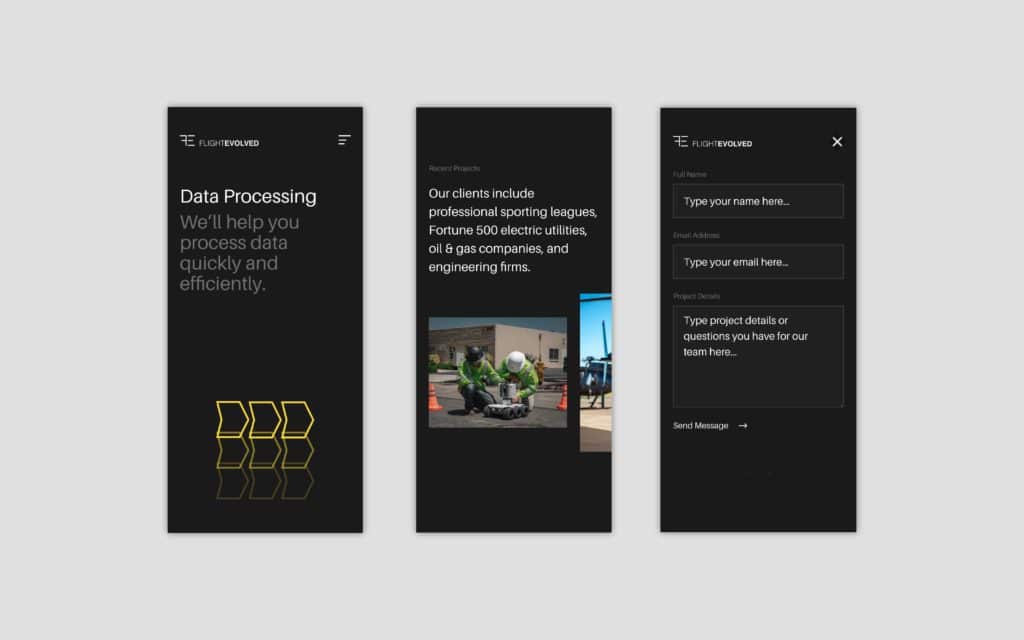
    Flight Evolved is is a remote sensing company in San Diego, CA. Their clients include professional sporting leagues, Fortune 500 electric utilities, oil & gas companies, and engineering firms.

    As their business grew exponentially, they reached out to us to help focus their offering and communicate their value through a custom website.

    Distilling data services

    Leading up to, and during, our partnership with Flight Evolved, the firm was scaling fast. They were adding new clients, bulking up their team, and expanding their service offering to better serve their clients. It was all happening so fast that they had difficulty communicating what they did anymore. 
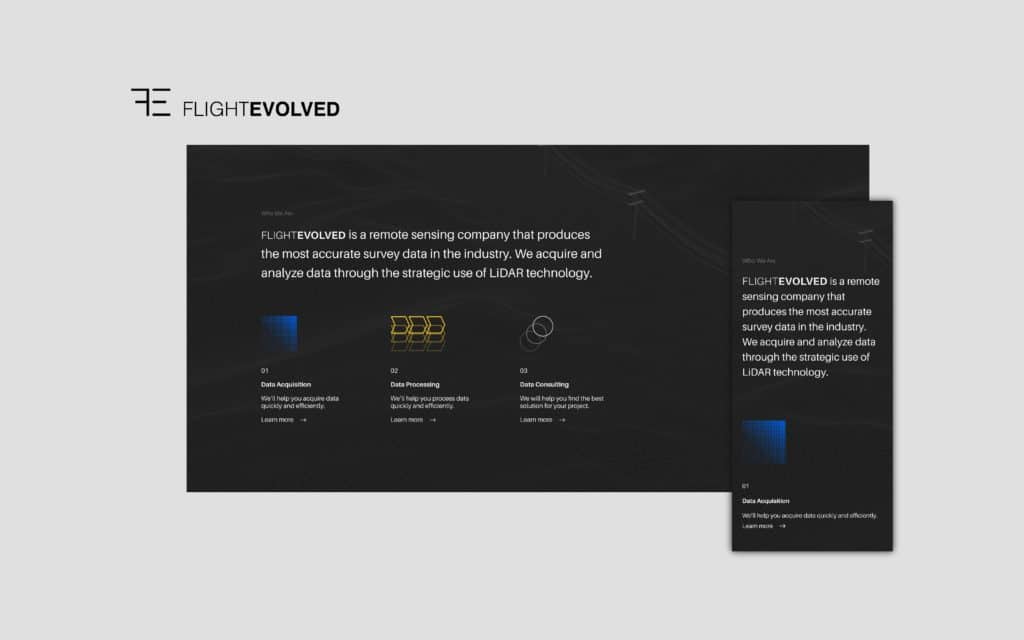
    Flight Evolved Website Home Page

    Through strategic workshops with leadership, we revealed that all their work boiled down to helping their clients do three things: Aquire Data, Process Data, and Understand Data. This process gave us a framework for how to communicate their offering effectively. So we split it up into three related services: Data Acquisition, Data Processing, and Data Consulting.

    Designed to impress

    Embracing Flight Evolved’s sleek brand identity and data-based approach, we designed a website that felt minimal in nature while looking technical in appearance.

    The details make the difference. That’s why we introduced interactive UI (user interface) elements like a sandwich menu that turns into an arrow—and an overlay menu that slides in from the left.
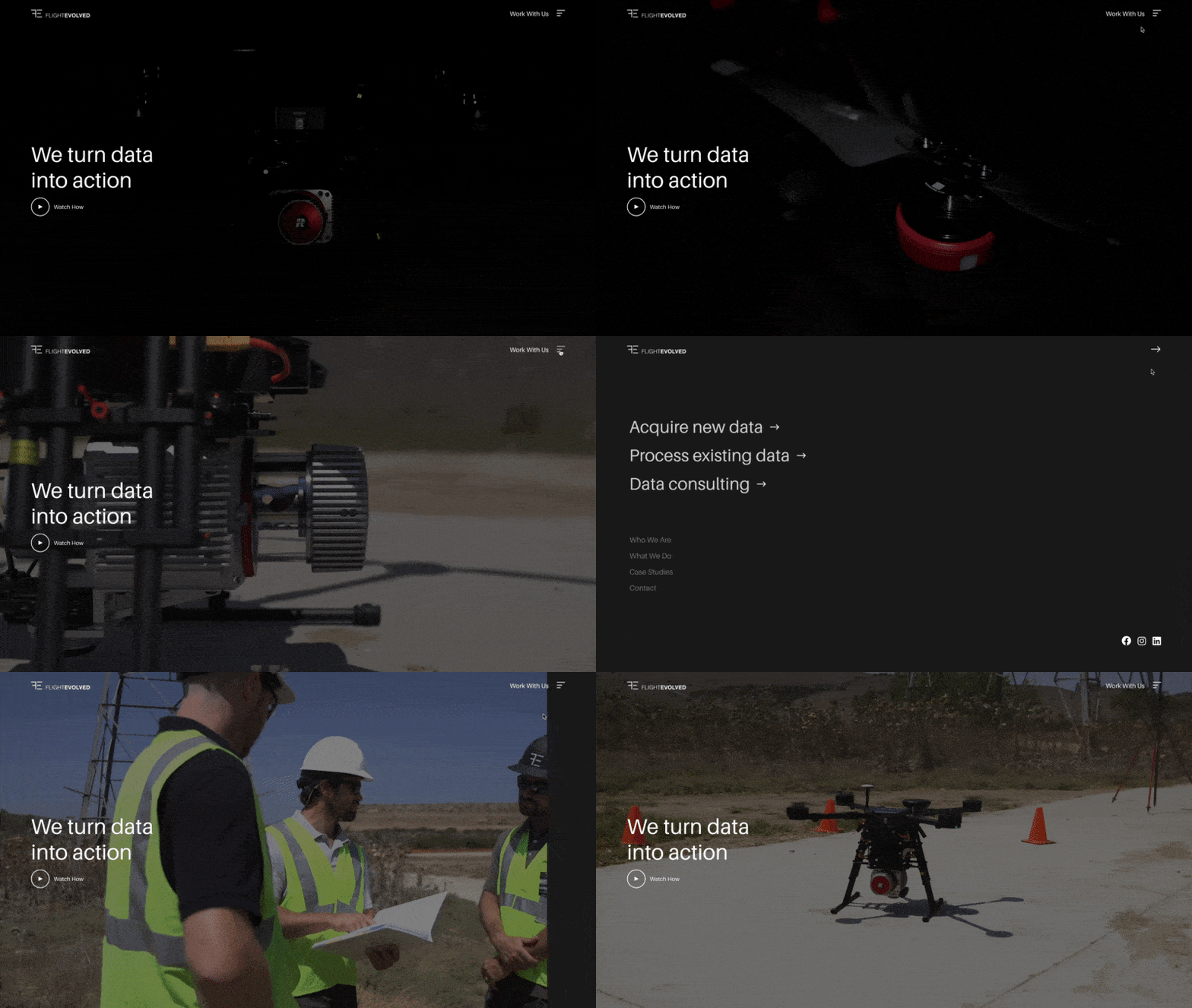
    UI animation

    We also implemented animated line art illustrations of their equipment. We worked directly with their motion design team to prepare an animated drone, rover, and helicopter.

    Animated SVGs

    Using advanced Java, we facilitated smooth background image and video transitions between sections.
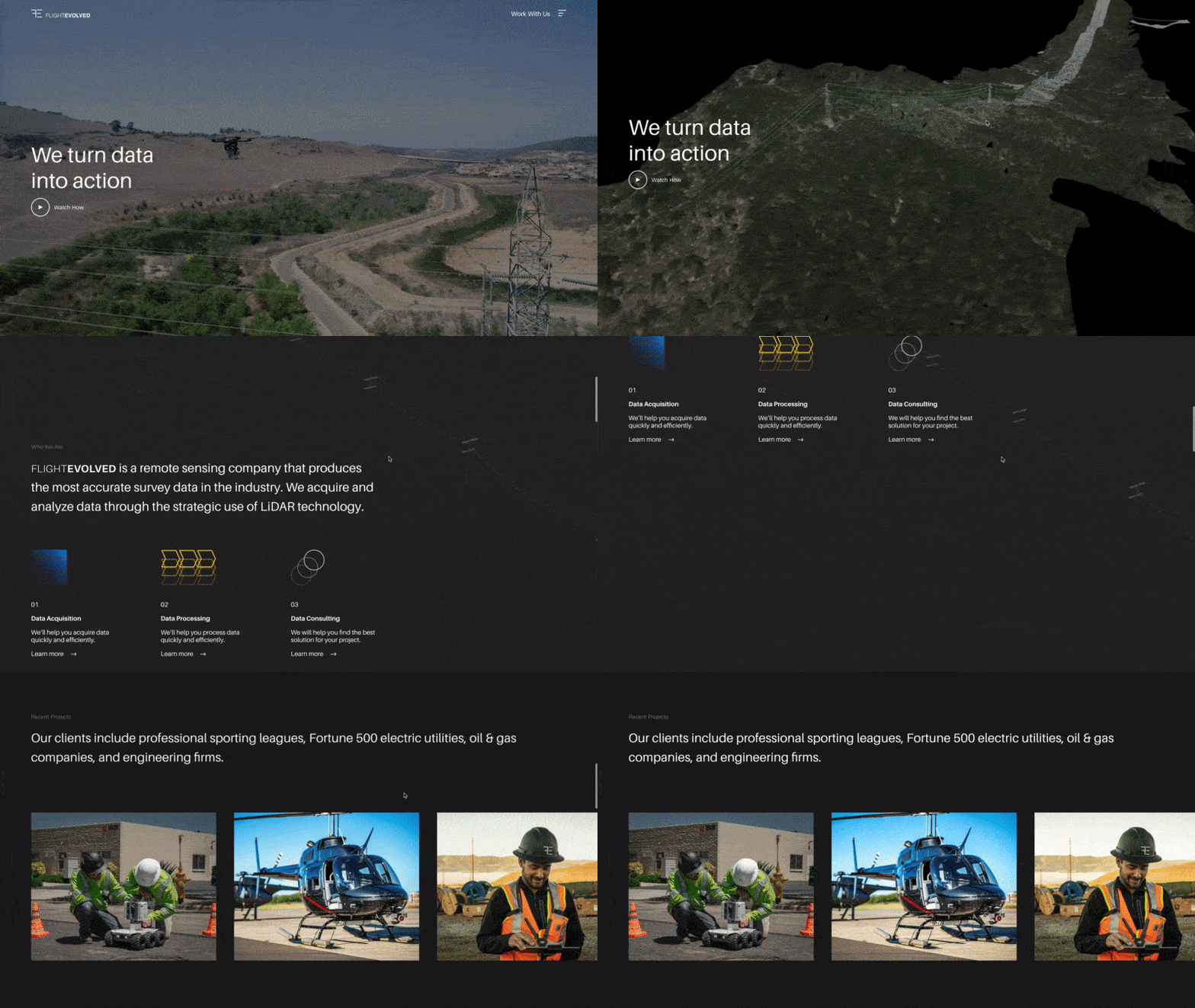
    Background fade

    Each service even got an animated illustration. We aimed to communicate Flight Evolved’s minimal yet technical approach.
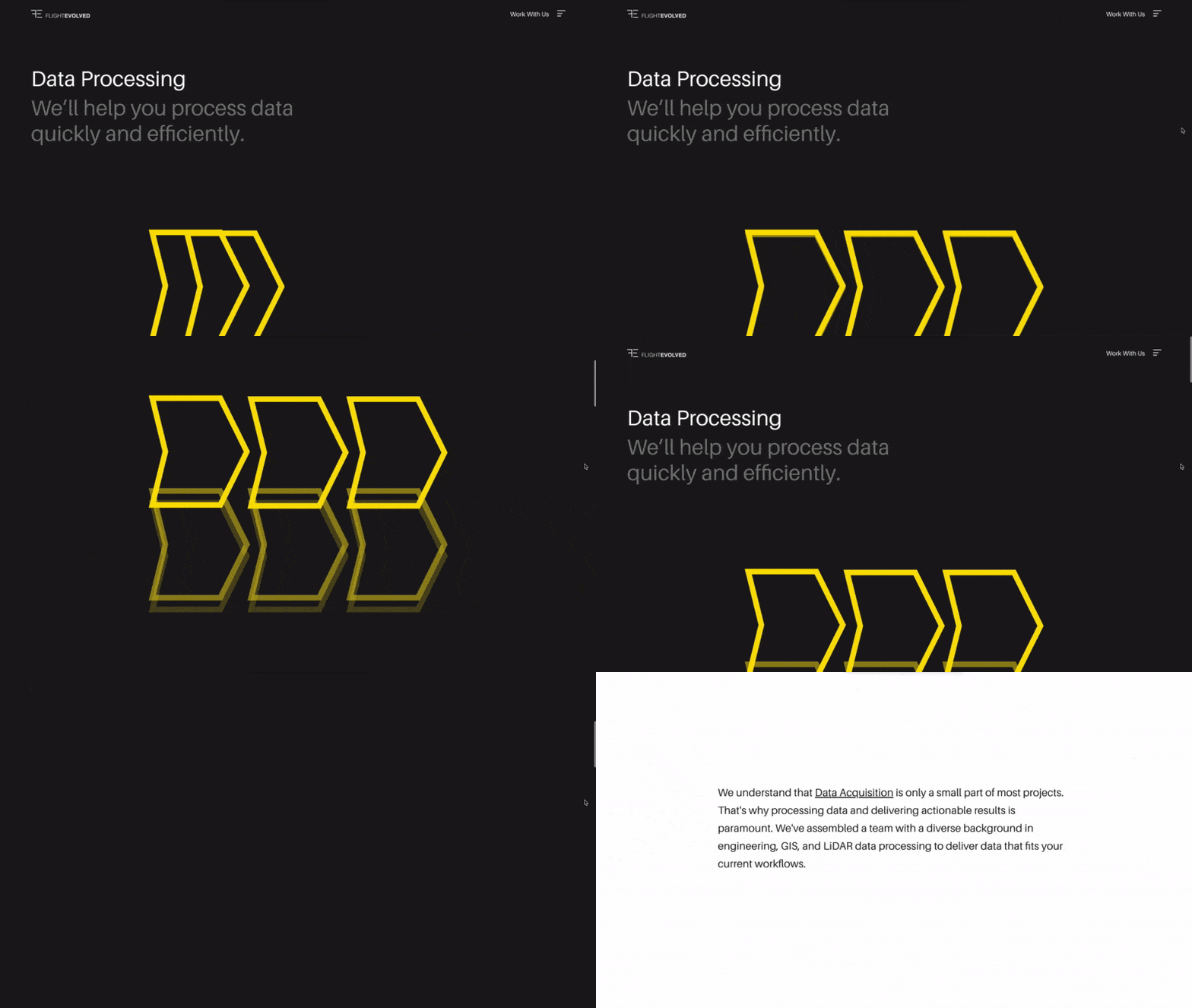
    Animated service icons; branded services

    Showcase the work

    Historically, Flight Evolved’s website led prospects down various roads, many leading to empty pages and dead ends. Unless you knew what to look for on their website, it was challenging to find what you’re looking for, let alone understand what they did.
    Drip, Sip, Drink website flow

    Working directly with their team, we mapped out a Drip, Sip, Drink user path that would break their services into bite-sized categories and methodically communicate information. The end goal was to prove up every service with a handful of fascinating case studies and, in turn, invite the captivated readers into a sales conversation.

    “Structure had great insight and was very responsive and attentive. Tough to find this level of professionalism and customer service. Would, and have, recommended Structure to help grow your business.”

    David Ilgenfritz, COO at Flight Evolved

    That’s the good news; here’s the bad.

    In the spirit of our firm belief that vulnerability is valuable in every relationship, life, and work, we want to disclose the good and the bad of this project.

    At the end of the project, the leadership team made a few critical business decisions that shifted the company’s direction and prohibited them from launching the website we worked on together for months. To be honest, it sucks.

    In the end, Flight Evolved was a great partner. We felt like a literal extension of their team. I’m confident that, if you asked them, they’d say the same thing.

    If you want to see the work in-action, you can view the fully developed staging website here.


    Strategy

    Brand Strategy
    Content Strategy
    UX Strategy

    Design

    Brand Design
    UX / UI Design
    Creative Direction
    Visual Design

    Content

    Copywriting
    Art Direction

    Engineering

    Front-end Development
    Back-end Development
    Deployment Architecture
    Content Management System
    Quality Assurance
  • BeGOAT Website Design

    BeGOAT Website Design

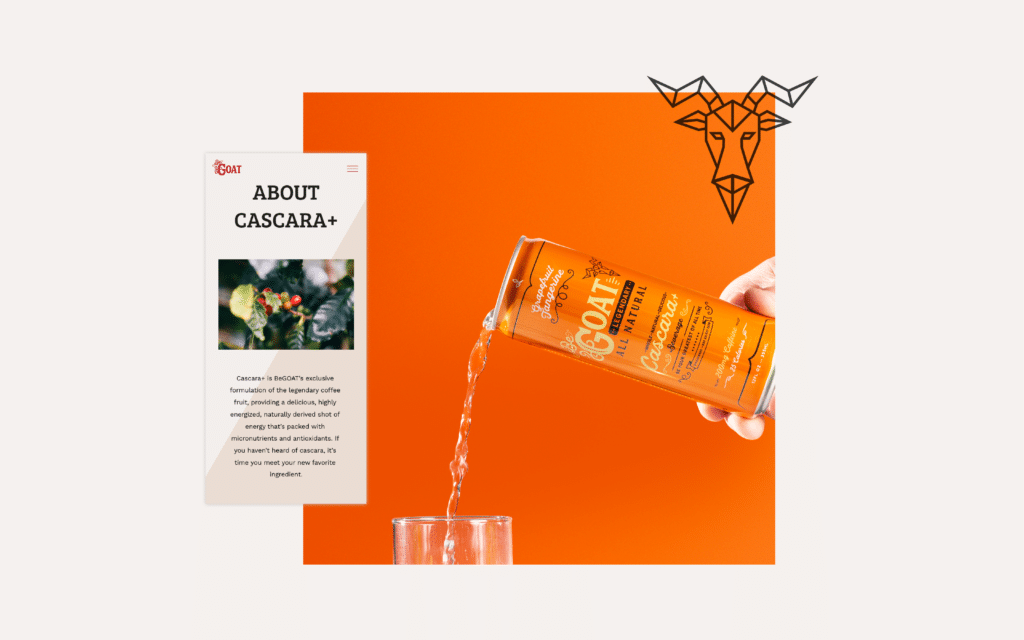
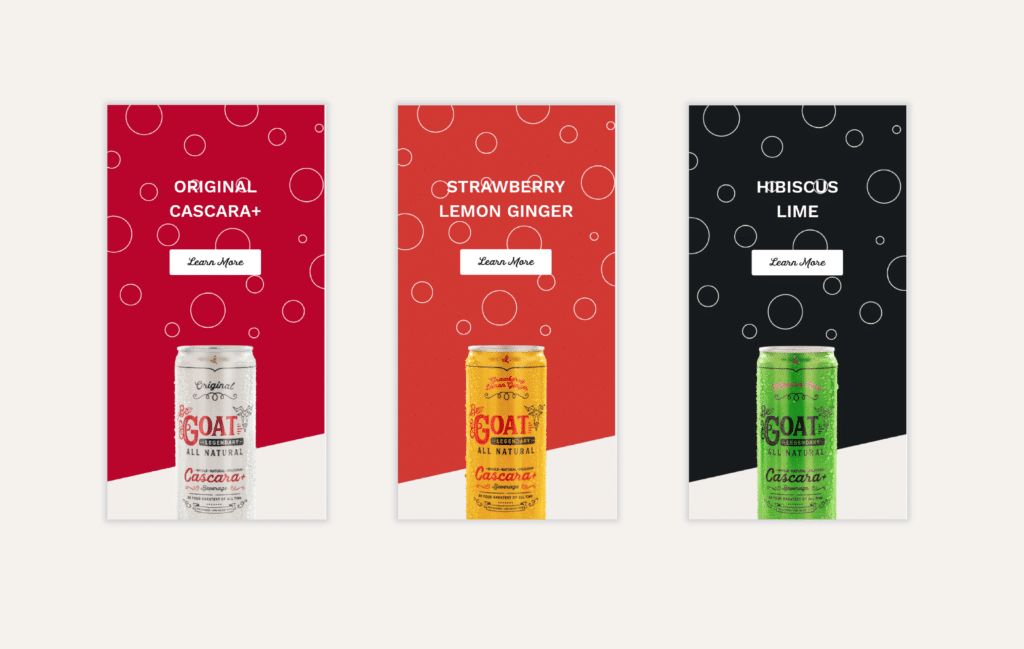
    BeGOAT is an innovative energy drink company that figured out a way to use the trash from coffee fruit and turn it into treasure. We worked to bring their brand to life with a fully-optimized custom website that was interactive and filled with energy.

    The Challenge

    As a new company, BeGOAT needed a website that showcased its product and launched their brand. Our goal for this project was to enable BeGOAT’s core business goals: create demand, deliver distributor leads, and make it easy for current distributors to manage their account and order more product.

    Working closely with RoadTrip, Structure expanded the new brand into a thoughtful digital experience that was appealing on the front end and easy-to-update on the back end.

    DrinkBeGoat.com was fully built on WordPress using Elementor Pro, with custom coded animations that incorporated some advanced interactive elements.

    The Solution

    This simple tech stack enabled RoadTrip and BeGOAT to easily make updates to the website content themselves, without having to engage a professional for the small things. As a new company, this objective was really important.

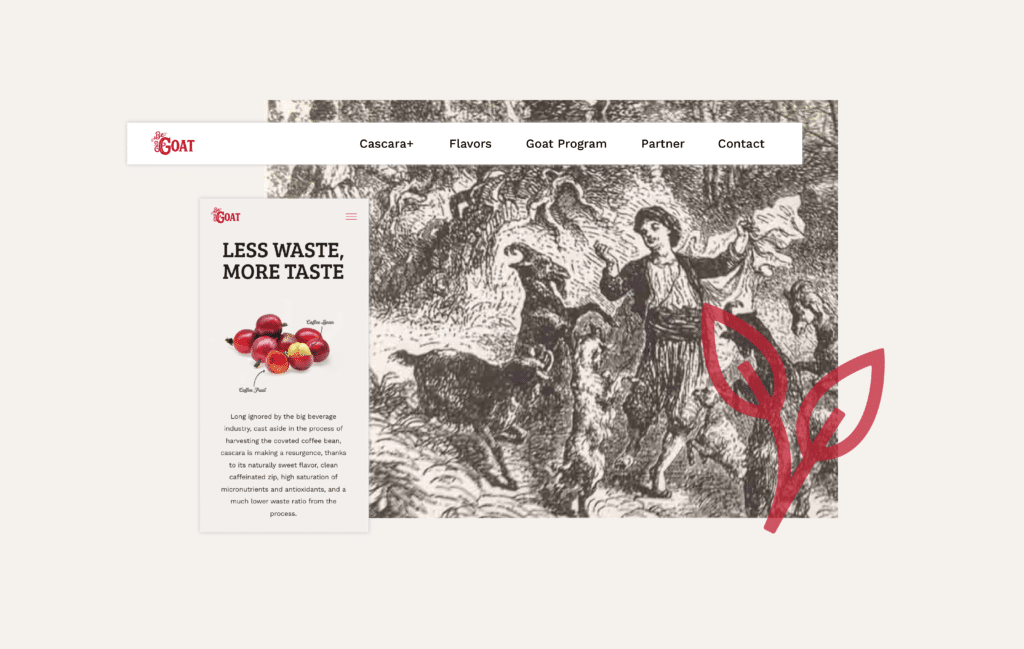
    As Structure, we were intrigued by the efficiency and sustainability of their product. Instead of using the coffee bean and discarding the coffee fruit, they harvested both and turned it into Cascara: a suite of caffeine, antioxidants, and micronutrients.


    Strategy

    UX Strategy
    Information Architecture
    Content Strategy

    Design

    UX / UI Design
    Creative Direction
    Visual Design
    Motion Design

    Engineering

    Front-end Development
    Content Management System


  • Supportist — Reinventing Local Philanthropy

    Supportist — Reinventing Local Philanthropy

    People spend an estimated $1B in Central Oregon every year, with the majority of the money flowing through Bend.

    America’s fastest-growing town boasts a booming local business scene that acts as the backbone to the prosperous economy. However, while there’s no problem getting what you want in Central Oregon, there is a problem with giving to those in need.

    That’s exactly the problem that the founders of Supportist, Bend’s local coupon app, set out to solve.

    They developed what they’d call a “win-win-win” model: Local supportists pay a small monthly fee to access discoverable deals by local businesses, meanwhile, local nonprofits get 20% off the top of each member’s fee. All this works to build a generous, giving local community. 

    The model relies heavily on local businesses to offer product and service discounts to members. And it’s the members who provide revenue by paying for a Supportist membership—even though 20% of the membership fee goes directly to a local nonprofit. 

    And while giving is great, nobody is complaining about awesome discounts to the local places they shop every day. Except, there was one problem: Bend already had well-established local leaders in the coupon-ing category.

    Building a coupon app is one thing. Entering a crowded category with well-established market leaders is another.

    Challenge

    How could Supportist boldly enter a crowded category with established local market leaders—and take the lead?

    The founders tried everything from coupon books to punchcards. They tried selling them door-to-door and through sports teams. But the idea wasn’t catching on.

    The founders were determined to make a difference. There had to be a way.

    Businesses were skeptical of investing in advertising in yet another local coupon book—and locals were already overwhelmed by the number of coupons they were already receiving in the mail. And without businesses or locals on-board, the model just didn’t work.

    But the story doesn’t end there. Here’s how Structure helped Supportist find a big breakthrough.

    Solution

    When our founder first met Supportist over coffee at a local coffee shop, they’d already been through a couple of tough years of trial and error. To be frank, they were heading down a road of immanent startup death. 

    Supportist had a good idea . . . in fact, they had a great idea that solved a real problem for real people. But they felt stuck.

    So, as we often do, we started seeking a deeper understanding of the challenge with branding research and in-person workshops. These revealed a few keen insights that helped Supportist think outside of the box.

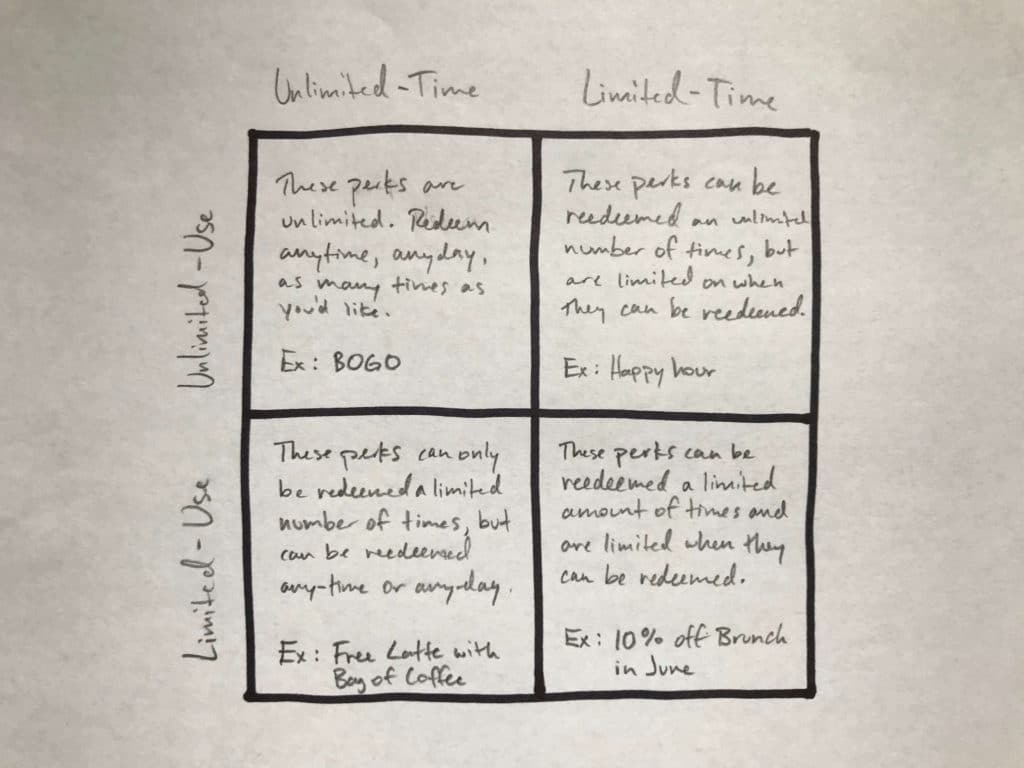
    Supportist Discount Framework

    We then used the data points to develop a Brand Framework that helped them find a breakthrough in their thinking and launch into a new season of product development and business growth. 

    “Simon and his team are exceptional marketing guides—and are worth their weight in gold. They’re pleasant and easy to work with. They’re organized and available. They’re process-driven. And, best of all, results-oriented.”

    Steve Swan, Founder of Supportist

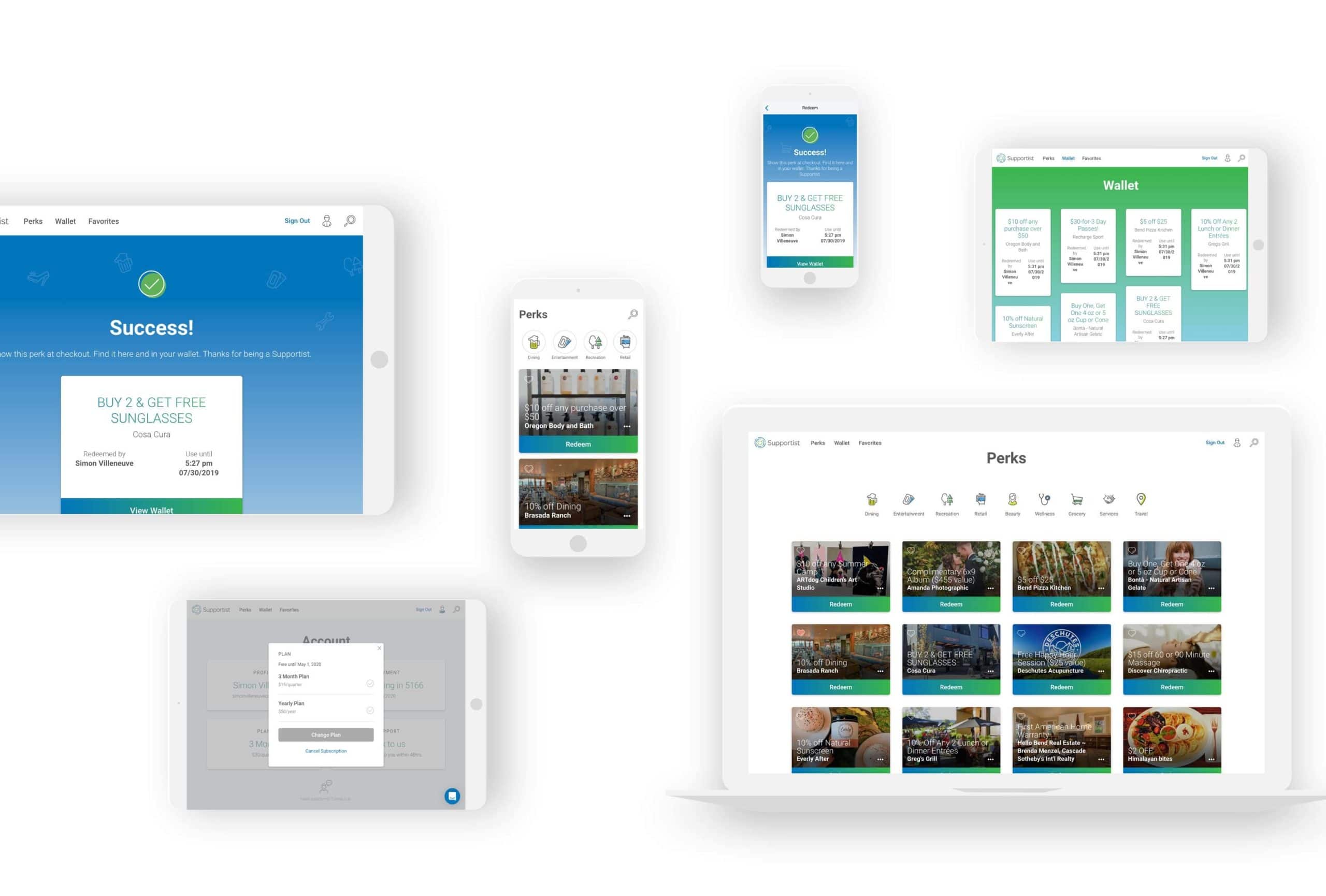
    Once we had built a strong framework for the business to build on, we set out building the product: an iPhone app.

    Supportist Screens on Desktop, Mobile, and Tablet

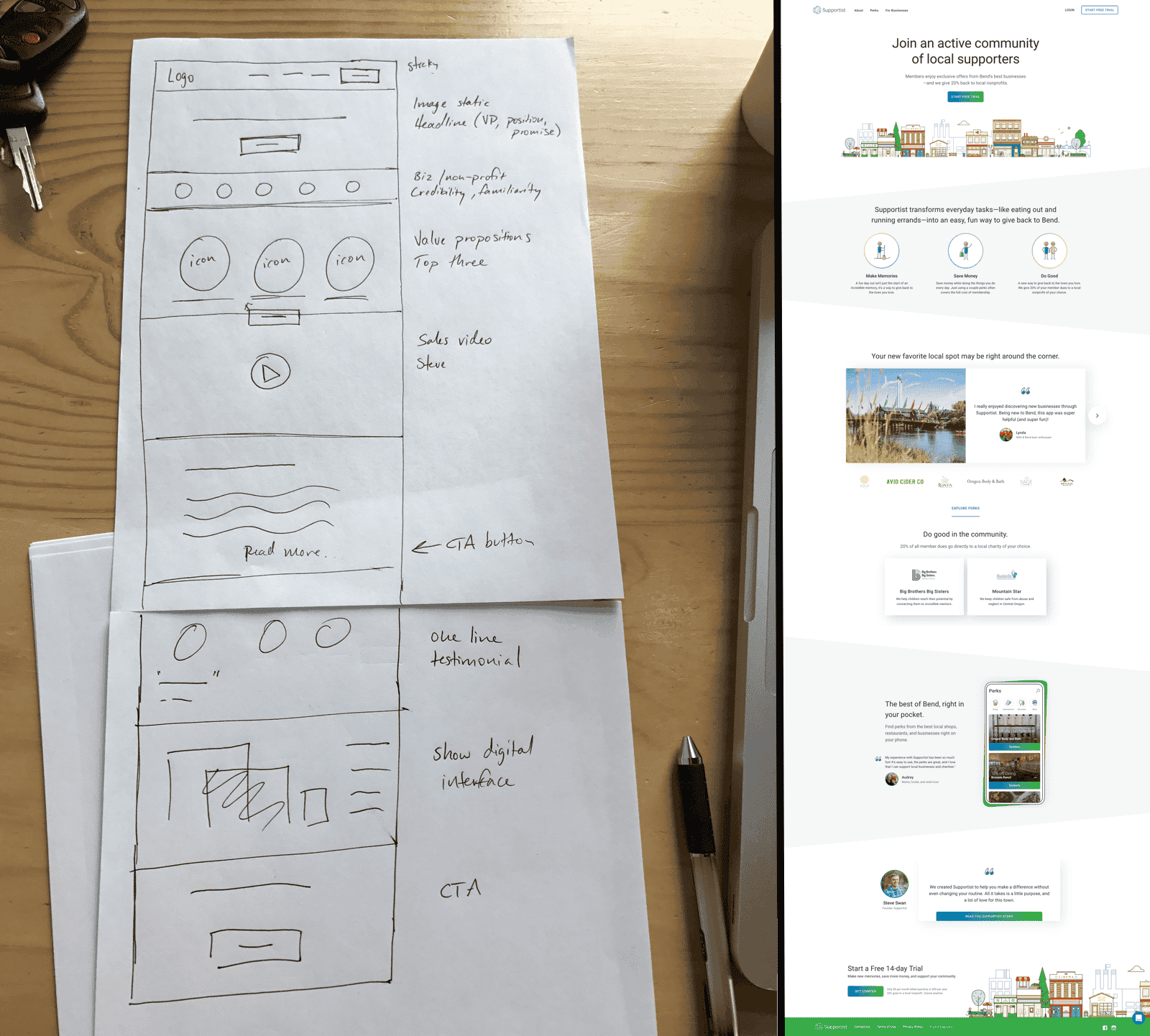
    Then we delivered a responsive website that was beautiful and stood out from the competition. We developed the site on Webflow so the client could easily update content and make copy changes without digging into code.

    Left: Homepage Wireframe | Right: Homepage Final Website

    We dug in deeply to be a true partner that synthesized nuanced brand and complex technical information to create an app that represents the best of Bend. 

    In other words, we helped Supportist build their app from scratch through every step of the product development process—from strategy to shipment. 

    But we didn’t just consult from a distance. We dove into the trenches and designed every button and wrote every word. And thanks to a great development partnership between our team and a local developer, we ended up with a tremendous product that’s simple, easy to use, and works like a charm.

    Uniting a local team

    The last major challenge was that Supportist wanted to assemble a team that could product take their product forward into startup success. 

    As a true partner, we jumped in and helped build a multi-disciplinary team with a range of expertise to be deeply involved and thoughtfully vocal in all project stages. We all collaborated at every step, through weekly work sessions, active copy discussions, and work-in-progress sharing and conversations. 

    The entire Supportist team was enthusiastic and willing to be open and introspective, which allowed us to push boundaries and add unexpected interactive magic—while keeping the experience simple and clear.

    Business is personal

    Just as New York City never sleeps, work still continues on Supportist. We’re in close contact with the founding team and are continually involved in Supportist’s ongoing development. 

    To be honest, even the act of typing Structure and Supportist in this case study feels strange as our collaboration feels more like a personal friendship than it does a business relationship.

    But we’re not complaining. This is exactly the kind of approach we aim to achieve in every project. Care over cash. Wellness over work. People over profit. 

    You can learn more about our uncommon approach to client relationships or contact us about a project you’re working on.

    If you want to see what other clients have said about us and our work, you can do so here. We’ll look forward to talking to you soon.


    Strategy

    Product Development
    Brand Strategy
    UX Strategy
    Information Architecture
    Content Strategy
    Launch Planning

    Content

    Photography
    Copywriting
    Video Production

    Design

    Creative Direction
    Art Direction
    Visual Design
    UI/UX Design
    Motion Design


  • Warrick

    Warrick

    Repositioning a 20-year leadership consultancy around the work it had grown into

    For more than 20 years, James Warrick had advised CEOs and leadership teams at companies including Nike, Intel, Merrill Lynch, and Williams Sonoma.

    His work had evolved considerably over that time.

    His brand hadn’t.

    People encountering James online often assumed he was a traditional life or executive coach. That description wasn’t technically wrong, but it no longer captured the caliber of the work, the clients he served, or the role he actually played in their lives and organizations.

    James wanted to enter the market in a new way.

    The problem was that after two decades inside the business, he was too close to it to clearly articulate what made his work different.

    That’s where we started.


    The Challenge

    Warrick didn’t need a prettier website.

    It needed clarity about what the company had become.

    The existing brand—Take Flight Coaching—was rooted in an earlier chapter of James’ career. His reputation and client work had moved far beyond it, but his positioning, language, and digital presence still told the old story.

    Before creating anything, we needed to understand:

    • How that strategy should shape the name, language, identity, and customer experience
    • Why accomplished CEOs actually hired James
    • What they experienced in the relationship that was difficult to describe
    • Which problems James was uniquely equipped to solve
    • What his company should stand for going forward

    Discovery before answers

    Rather than beginning with assumptions about what the new brand should look or sound like, I started with discovery.

    I interviewed James and five longtime clients to understand the company from both sides of the relationship.

    We explored why clients initially engaged him, what changed through the work, why they continued working with him, and what differentiated James from other coaches and advisors.

    We also worked through his beliefs, mission, vision, values, character, and ambitions for the next chapter of the business.

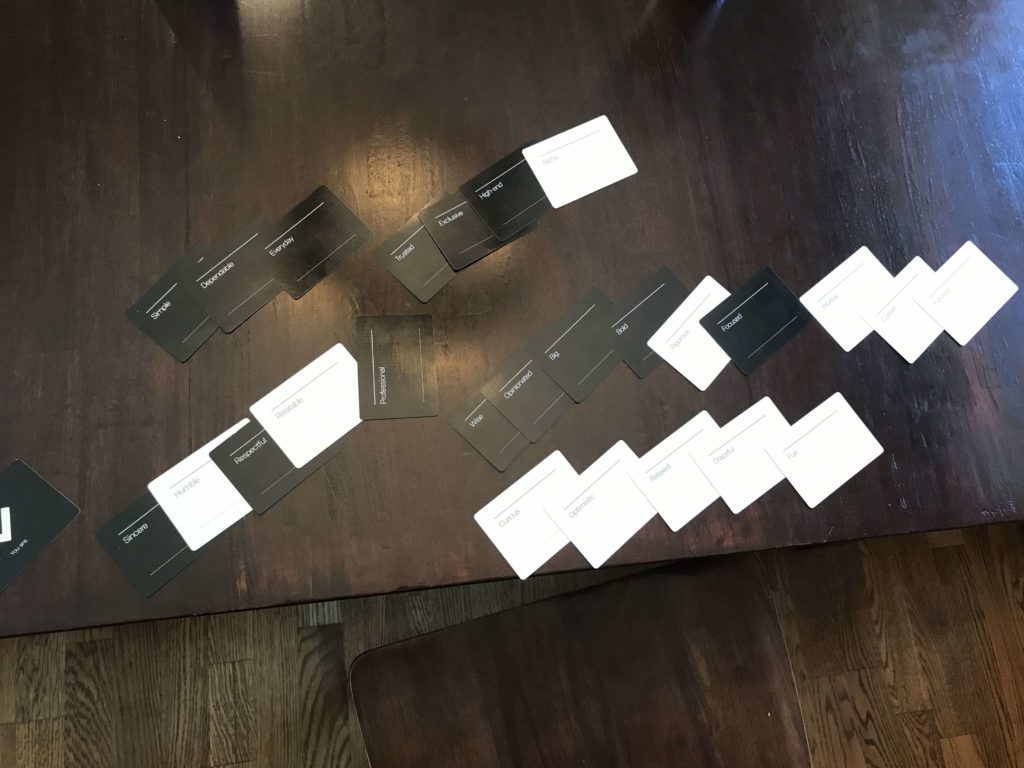
    Strategy Workshop: Brand Character & Personality Exploration

    A deeper pattern began to emerge.

    Clients weren’t simply hiring James to become better professional leaders.

    They relied on him for the confidence, clarity, and perspective required to make difficult decisions and move forward.

    James wasn’t merely coaching leaders.

    He had become a leader to leaders.

    “We now have a framework for how to communicate and a clear plan for leveraging our brand with new and existing clients. My brand is stronger than it’s ever been.”

    James Warrick, Principal


    Turning insight into strategy

    The discovery work became a 27-page Brand Framework that gave James and his team a shared foundation for the business.

    Warrick Brand Framework: Cover

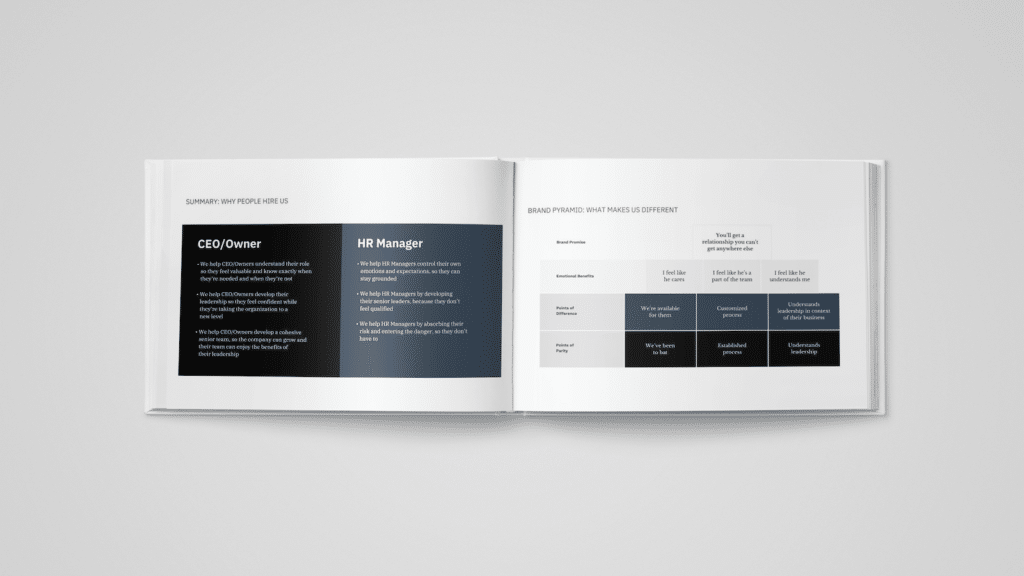
    It included:

    • Customer insight and motivations
    • Three differentiated value propositions
    • Mission, vision, and values
    • Brand character and personality
    • Voice and messaging direction
    • Brand pyramid
    • Strategic principles for future marketing and communication

    The framework mattered because it created more than marketing language.

    It gave the team a common understanding of who they were, who they served, why the work mattered, and how to make future decisions consistently.

    Warrick Brand Framework: Value Propositions (left) & Brand Pyramid (right)

    Becoming Warrick

    The strategy also exposed a fundamental issue with the existing name.

    “Take Flight Coaching” reinforced the exact perception we were trying to move beyond.

    We developed 13 naming directions using a structured naming process and evaluated them against the company’s positioning and long-term ambitions.

    Then we discovered something hiding in plain sight:

    Warrick means “strong leader.”

    The name connected naturally to James’ own identity, the work he had spent decades doing, and the people he served.

    The decision became obvious.

    Take Flight Coaching became Warrick.

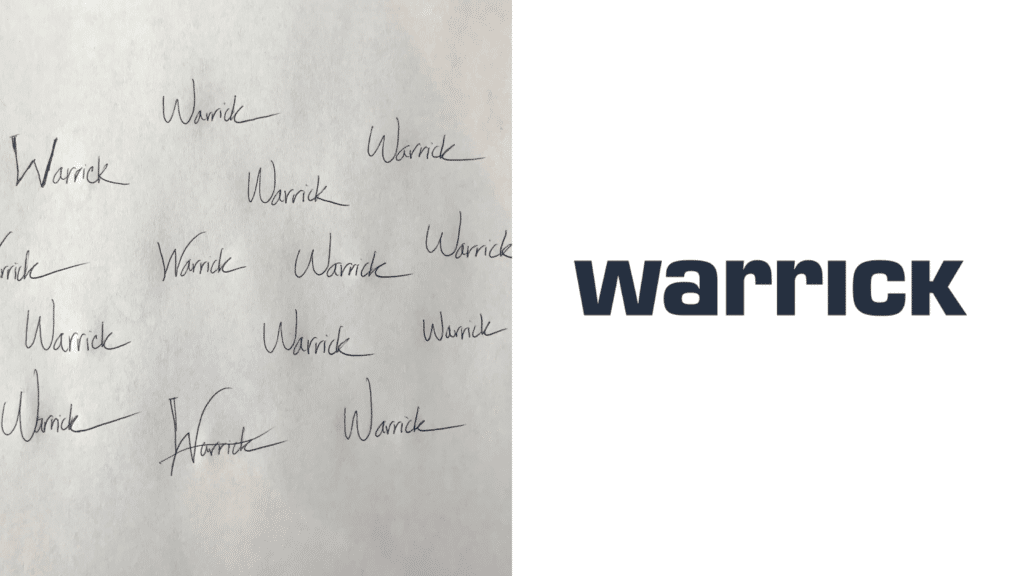
    From there, the team developed a bold typographic identity designed to preserve the simplicity and authority of the name.

    Original logo sketches (left) & Final Warrick logomark

    Turning the strategy into an experience

    The next question was how the brand should actually feel.

    One phrase from James’ work became especially important.

    At the end of a meeting, he would often ask:

    “What’s our movement?”

    It captured something central to the brand: clarity should result in forward motion.

    That idea became a creative principle for the website experience.

    Rather than simply publishing a new brochure site, we used movement and interaction throughout the experience to guide visitors deeper into the Warrick story and reinforce the feeling of progress.

    The final experience brought together:

    • Brand strategy
    • Positioning and messaging
    • Naming
    • Creative direction
    • Copywriting
    • Information architecture
    • UX strategy
    • Visual and motion design
    • Front-end and back-end development

    The website wasn’t the strategy.

    It was the expression of the strategy.


    The result

    Warrick emerged with a brand that finally reflected the work clients had already been experiencing for years.

    The project gave James:

    • A clearer articulation of his value
    • A deeper understanding of his customers
    • A differentiated market position
    • A new company name and identity
    • A shared language for his team
    • A strategic framework for future decisions
    • A digital experience capable of expressing the caliber of the work

    Most importantly, James had greater clarity and confidence about the direction of the company.

    “Simon and his team were crucial for the direction that I am now taking my company. The relationship I have with Simon is irreplaceable.”

    James Warrick, Principal


    My role

    I led the strategy and discovery process, including founder and client interviews, workshop facilitation, customer insight synthesis, value proposition development, brand positioning, naming, messaging, and content strategy.

    I then translated that strategic foundation into creative direction and worked with Structure’s design and development team to bring the new identity and digital experience to life.

    Strategy

    Brand Strategy
    Customer Research
    Positioning
    Naming
    Messaging
    UX Strategy
    Content Strategy

    Creative

    Creative Direction
    Copywriting
    Identity Direction
    Digital Experience